Stock doors usually ship within a week. Custom doors take 4-16 weeks. Stock windows from suppliers typically take 2-6 weeks. Custom windows take 4-16 weeks. Many stock doors are slabs in inventory that get assembled with jambs, trim, and handing within a few days. Order early and confirm lead times before scheduling your project.
Nothing slows a job down like waiting on materials. Custom doors and windows are often the holdup. They take longer to arrive than most people expect. If you order late, you wait. If you wait, everything else stops.
Knowing lead times upfront helps you plan. You can schedule around delivery instead of scrambling when materials do not show up. You can also choose stock options when custom is not worth the wait.
This matters whether you are a contractor managing multiple jobs or a homeowner planning a remodel. Stock products move faster. Custom orders take time. Understanding the difference saves headaches.
Quick Reference: Lead Times at a Glance
Product Type
Typical Lead Time
Stock interior doors
A few days to 1 week
Stock exterior doors
Within 1 week
Custom doors (interior or exterior)
4-16 weeks
Stock windows (from suppliers)
2-6 weeks
Custom windows
4-16 weeks
These are general ranges. Actual timelines depend on what you order and current manufacturer schedules. Always confirm before finalizing your project timeline.
What Is the Difference Between Stock and Custom Doors and Windows?
Stock products use slabs and components already in inventory. The supplier keeps common sizes and styles on the shelf. When you order, they pull what they have and build the unit to your specifications. You choose the jamb, trim, and handing. They assemble it within a few days.
Custom doors and windows are made to order from scratch. You choose the size, material, finish, glass, and hardware. The manufacturer builds it after you place the order. That takes weeks, not days.
Stock is faster because the main components are already available. Custom fits better when standard sizes do not work.
How Long Do Interior Doors Take?
Stock Interior Doors
Typical lead time: A few days for stock slabs with assembly. Up to a week depending on volume.
Best for: Standard openings, tight timelines, budget-conscious projects, production builds.
Stock interior doors are the fastest option. The slabs are in inventory. You specify the jamb, trim, and handing. The supplier assembles the unit within a few days.
This includes molded panel doors, flush doors, and basic prehung units. Contractors around Tucker and Norcross rely on stock doors to keep jobs moving.
Cofer Brothers has an interior door shop onsite in Tucker. We keep slabs in stock and build prehung units to order. That means faster turnaround than waiting on a factory shipment.
Custom Interior Doors
Typical lead time: 4-16 weeks depending on specifications.
Custom interior doors take longer. Non-standard sizes, special wood species, or stain-grade finishes require a factory order. The manufacturer builds the door after you place the order.
Older homes often have openings that do not match today’s standard sizes. Matching existing trim or style may also require custom work.
How Long Do Exterior Doors Take?
Windows generally take longer than doors. They come in more sizes and configurations. Most windows are ordered from manufacturers and ship fully assembled.
Cofer Brothers does not stock windows. We order from manufacturers, so lead times depend on what suppliers have available.
Stock Exterior Doors
Typical lead time: Within a week for stock sizes and styles.
Best for: Standard entries, straightforward replacements, jobs where timing is critical.
Stock exterior doors in common sizes and styles ship quickly. Fiberglass slabs in standard configurations are usually in inventory. You specify the jamb, hardware prep, and handing. The unit gets assembled within a few days.
If you need a standard 36-inch fiberglass entry door with no sidelites, you can often get it within a week.
Custom Exterior Doors
Typical lead time: 4-16 weeks. Complex orders may take longer.
Best for: Non-standard openings, sidelite configurations, decorative glass, aluminum-clad units.
Custom exterior doors take longer because they are built to your specifications. Sidelites, transoms, special glass, and non-standard sizes all add time.
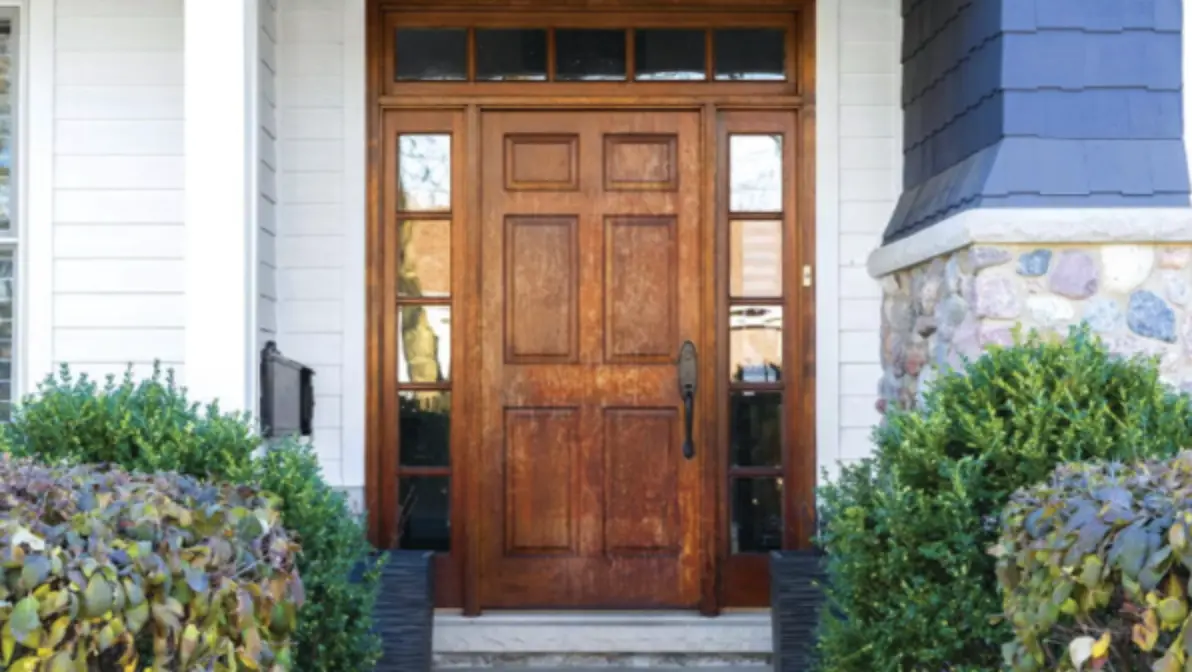
Front entry doors with decorative glass or custom dimensions often fall into this category. Aluminum-clad doors from Pella or Ply Gem typically require factory orders.
How Long Do Windows Take?
Windows generally take longer than doors. They come in more sizes and configurations. Most windows are ordered from manufacturers and ship fully assembled.
Cofer Brothers does not stock windows. We order from manufacturers, so lead times depend on what suppliers have available.
Stock Windows
Typical lead time: 2-6 weeks for stock sizes from suppliers.
Best for: Standard sizes, vinyl units, new construction with common opening sizes.
Stock windows are units that manufacturers keep in inventory. Standard vinyl single-hung and double-hung units in popular sizes are sometimes available. These ship faster than custom orders.
However, most windows still require ordering. Even stock sizes typically take a few weeks to arrive.
Custom Windows
Typical lead time: 4-16 weeks. Specialty configurations may take longer.
Best for: Non-standard sizes, specialty shapes, aluminum-clad frames, high-performance glass.
Custom windows take 4-16 weeks on average. Special sizes, shapes, grille patterns, or glass options extend the timeline. Aluminum-clad windows typically require longer lead times than vinyl.
Large picture windows, specialty shapes, and high-performance glass add complexity.
What Causes Delays?
Most delays happen for a few common reasons.
Ordering Late
This is the most common cause. Jobs get scheduled before materials are ordered. By the time the order goes in, the timeline does not work. Order early.
Wrong Measurements
Incorrect measurements cause reorders. Reorders take twice as long. Measure carefully. Have someone else verify critical dimensions.
Choosing Custom When Stock Would Work
Sometimes custom doors and windows are necessary. Sometimes it is not. Before ordering custom, ask if a stock option would do the job.
Not Confirming Lead Times
Lead times change. Manufacturer schedules shift. Always confirm current lead times before finalizing your project schedule.
How Can Cofer Brothers Help?
We keep deep inventory of stock door slabs. When you need doors fast, we can often get them to you within a week.
Our door shop in Tucker assembles pre-hung units onsite. You tell us the jamb, trim, and handing. We build the unit within a few days. That means faster turnaround and better quality control than factory-shipped units.
For windows, we work directly with Ply Gem, JELD-WEN, and ViWinTech. We give you accurate lead times before you commit.
For custom doors, we work with Therma-Tru, Plastpro, Masonite, Pella, and Ply Gem. If timing is a concern, we can help you find stock alternatives.
We also help with quotes from material lists, photos, or quick calls. Our team knows how to translate plans into orders that arrive on time.
What Should You Do Next?
If you have a project coming up, start thinking about doors and windows now.
Make a list of what you need. Note sizes, styles, and any special requirements. Call or stop by and we can tell you what is in stock and what requires a lead time.
Planning ahead keeps your project on schedule. We are here to help.
FAQS
How long does it take to get custom doors?
Custom doors typically take 4-16 weeks from order to delivery. The timeline depends on complexity, materials, and manufacturer schedules. Stock doors ship much faster, usually within a week. Planning ahead and ordering early prevents project delays.
How long does it take to get custom windows?
Custom windows take 4-16 weeks on average. Special sizes, shapes, or features can push lead times toward the longer end of that range. Stock windows from suppliers typically take 2-6 weeks. Always confirm current lead times before scheduling installation.
What causes delays when ordering custom doors and windows?
Common causes include ordering late in the project, incorrect measurements, choosing custom options when stock would work, and not confirming lead times upfront. Working with an experienced supplier helps avoid surprises. Order early and verify measurements before placing the order.
Fiberglass doors last 25-30 years with minimal care. Aluminum-clad is a premium option lasting 30+ years. Wood doors can rot and crack in Georgia’s humidity, require topcoating every 6-12 months, and most carry only a 1-year warranty. If your door sticks, drafts, or shows damage, it may be time to replace.
Composite vs. Pressure Treated Decking: Which Works Best for Georgia Decks?
In Georgia’s hot, humid climate, composite decking is the low-maintenance, decades-long winner, no sanding, no sealing, and strong warranties. Pressure-treated pine costs less up front and is easy to cut, stain, and customize on site, but it needs yearly sealing and tends to show wear after 15–20 years. Choose composite if you want long life with minimal upkeep; pick pressure-treated if you prefer a smaller initial bill and don’t mind regular maintenance. Cofer Brothers carries both and can guide you toward the best fit for your project.
Composite vs. Pressure Treated Decking: Key Differences?
Composite and pressure-treated decking serve the same function, creating a safe, attractive platform, but they differ fundamentally in composition, performance and lifecycle.
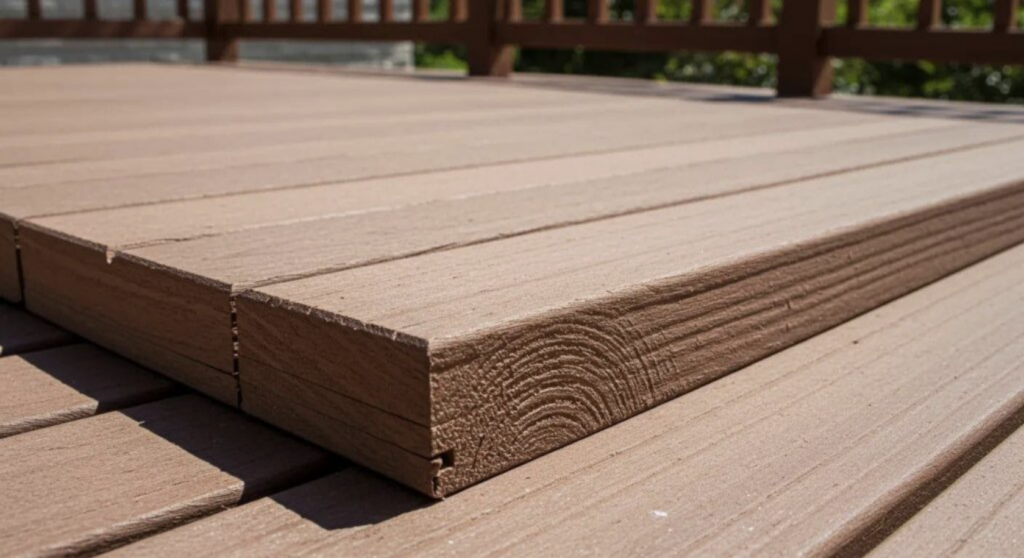
Composite decking blends wood fibers and recycled plastics under high heat and pressure to form boards that resist rot, insects and fading. Pressure-treated wood is kiln-dried pine infused with chemical preservatives to slow decay and insect damage.
Material Composition and Durability Composite decking is made from a blend of wood fibers and recycled plastics, designed to resist rot, insects, and fading, while pressure-treated lumber is infused with chemical preservatives to slow decay and insect damage [1]. Composite materials often come with warranties of up to 25 years, demonstrating their long-term durability in various climates [2]. These differences in composition directly affect the lifespan and maintenance requirements of each decking type.
How Do Composite Decking Materials Differ From Pressure-Treated Lumber?
Composite decking consists of thermoplastic polymer bonded with wood flour. This combination creates a sturdy, low-maintenance board that resists moisture infiltration and splintering. Pressure-treated lumber starts as Southern yellow pine that’s vacuum-impregnated with copper-based preservatives to ward off decay.
These divergent manufacturing mechanisms yield different benefits:
Composite material never requires sealing and won’t warp under prolonged sun exposure.
Treated wood can be cut, drilled and stained on site, but needs annual sealing to prevent splintering.
What Are the Pros and Cons of Composite Decking in Georgia’s Climate?
Composite decking thrives in Georgia by resisting rain, humidity and UV exposure without rotting or warping. Lighter-colored composite boards can feel slightly cooler than darker tones on sunny days, but any deck surface will warm up under direct Georgia sun.
Key advantages include:
Low maintenance = no sanding or staining
Fade-resistant warranties (up to 25 years)
Uniform boards = no knots or grain inconsistencies
Considerations:
Higher initial investment
Potential for heat retention in darker hues
Limited on-site customization once boards arrive
What Are the Advantages and Disadvantages of Pressure-Treated Decking?
Pressure-treated lumber brings a budget-friendly entry point and on-the-fly customization. You can stain boards any color and make last-minute cuts without special tools.
Susceptible to checking, splintering and insect damage over time
Chemicals may leach into surroundings
Ongoing washing, sealing, and board replacement add noticeably to long-term ownership costs, often rivaling the higher purchase price of composite. Additionally, the climate can affect the longevity and performance of these materials.
These installation ps reflect hands-on approaches from Cofer Brothers in Tucker, GA, where over 100 years of jobsite expertise delivers reliable service and fast turnaround for homeowners and remodelers alike.
How Do Long-Term Maintenance Costs Differ?
Composite: Expect minimal maintenance costs, occasional soap-and-water cleaning and annual inspections. Plan for under $1 per sq ft per year.
Pressure-treated: Budget $2 to $4 per sq ft yearly for power washing, sealing, staining and replacing damaged boards. Over a decade, maintenance can double the total investment.
Tracking these cost differentials helps homeowners forecast their true return on investment and decide which path aligns with their budget and lifestyle.
Are There Financing or Incentive Options for Decking Materials in Georgia?
Check with your utility or county office for any current home-improvement financing or rebate programs; availability changes year-to-year. Many decking manufacturers, including Trex and Yellawood partners, provide promotional financing or bundled deck-and-railing packages. Checking with local contractors can uncover seasonal discounts or bundled service warranties that further tip the value scale.
Which Decking Material Offers Better Longevity and Durability in Georgia?
Durability under Georgia’s high humidity and intense sunlight separates short-lived solutions from those that stand the test of decades.
How Long Does Composite Decking Typically Last in Georgia’s Environment?
Long-running installations in humid Southern climates show well-maintained composite decks holding their structure for decades; many brands back this with 25- to 30-year structural warranties. Protective UV stabilizers in the polymer blend mitigate fading and brittleness.
What Is the Expected Lifespan of Pressure-Treated Lumber Decks?
Properly maintained pressure-treated decks can last 15 to 20 years. Annual sealing combats moisture intrusion, but boards can still warp, cup or splinter under prolonged exposure. Insects and fungal colonization remain ongoing threats without vigilant maintenance.
How Does Georgia’s Climate Affect Decking Material Performance?
High humidity accelerates wood swelling and rot in untreated species but pressure-treated pine holds up with timely care. Composite materials resist moisture absorption entirely but must be manufactured with UV inhibitors to prevent surface chalking and structural shrinkage.
These climate dynamics directly influence longevity projections and total cost comparisons between composite and pressure-treated options.
What Care and Maintenance Is Required for Composite vs. Pressure-Treated Decking?
Every durable deck relies on proper upkeep, yet the routines for each material differ in frequency and complexity.
What Are the Best Care and Maintenance Practices for Composite Decking?
Composite maintenance revolves around keeping debris and biological growth at bay:
Sweep boards monthly to remove leaves and dirt.
Wash with mild soap and water biannually using a soft-bristle brush.
Inspect joists and hidden fasteners annually for settling.
These steps ensure composite remains slip-resistant and cosmetically consistent year after year.
How Should Pressure-Treated Lumber Decks Be Maintained in Georgia?
Pressure-treated decks demand a more hands-on regimen:
Power-wash the surface every spring to eliminate mildew.
Apply a water-repellent sealant or stain once a year.
Replace boards showing persistent rot or major checking.
Consistent scheduling prevents moisture entrapment and prolongs structural integrity.
How Often Should Each Decking Type Be Inspected and Treated?
Composite decks: Annual visual inspection with spot cleaning as needed.
Pressure-treated decks: Annual sealing plus inspections every six months for nails, splits and insect damage.
Establishing a maintenance calendar secures your deck’s appearance and function in Georgia’s variable weather.
How Do Aesthetic Options and Customization Compare Between Composite and Pressure-Treated Decking?
Your deck should complement your home’s design. Material choice dictates color palette, texture and on-site flexibility.
What Color and Texture Options Are Available for Composite Decking?
Composite boards come in dozens of color blends: from coastal grays to warm browns, often featuring wood-grain embossing for realism. Some brands offer reversible boards with two-tone effects or grooved edges for hidden fastening.
These options enable homeowners and architects to craft modern or traditional decks that resist fading and maintain consistent appearance.
Can Pressure-Treated Lumber Be Customized or Stained for Different Looks?
Pressure-treated lumber arrives in its natural yellow-green hue but readily accepts stains and paints. You can create any color palette – from rich mahogany to weathered gray, by choosing pigmented sealers. However, staining must be renewed annually to preserve the finish.
How Do Design Trends Influence Decking Material Choice in Georgia?
When it comes to decking in Georgia, the intersection of design trends and material choice is nothing short of fascinating. As seasoned professionals who navigate the detailed nuances of construction and design, we’ve seen how seasonal influences and regional aesthetics shape what homeowners want.
For instance, the allure of outdoor living spaces has taken off – we’re talking about extending the indoors to the outdoors in a way that feels seamless. Consequently, materials that mimic indoor aesthetics, like composite decking that replicates the look of hardwood, have surged in popularity.
These materials not only offer the beautiful visual appeal that homeowners crave, but they also withstand the humid climate we have down here, thereby satisfying both the practical needs of builders and the design sensibilities of residents.
But it doesn’t stop at just aesthetics; functionality plays a pivotal role too. Homeowners are increasingly drawn to sustainable options, partly due to a growing awareness of environmental impact. In Georgia, where our natural beauty is a major selling point, materials like recycled composites are gaining traction too. As a builder or contractor, it’s about tuning into these rising trends and understanding how they influence what materials land on the job site.
When we discuss options with contractors and homeowners, it’s not only about what looks good – it’s about what fits their lifestyle, their budget, and how it holds up against our local weather conditions. By keeping our finger on the pulse of design trends, we can ensure that every decking project we undertake is not only structurally sound, but also reflective of current tastes and, ultimately, the contractors’ and/or homeowners’ unique vision.
Current design trends favor open-style railings, integrated lighting and multi-level deck plans that showcase durable surfaces. Composite’s consistent boards and concealed fasteners support these seamless designs, while treated lumber appeals to DIY remodelers seeking budget-friendly, customizable aesthetics.
What Are the Environmental and Health Considerations for Each Decking Material?
Assessing ecological footprint and chemical exposure helps homeowners choose responsibly.
Environmental and Health Considerations Composite decking often utilizes recycled materials, reducing landfill waste, while pressure-treated lumber relies on freshly harvested pine and copper-based chemicals [5]. Handling uncured or aged treated wood can expose installers to arsenic-free copper preservatives, highlighting potential health risks [6]. These environmental and health considerations are important for homeowners to consider when choosing decking materials.
Is Composite Decking Environmentally Friendly?
When we get asked whether composite decking is environmentally friendly, we can’t help but think about the balance we’re all trying to strike between durability and sustainability. Composite decking is a product made from a mix of lumber fibers and recycled plastic, which means it’s a step away from conventional pressure-treated lumber that often contributes to deforestation.
For contractors and builders, this is a game-changer, not only are we providing homeowners with a long-lasting solution, but we’re also reducing our reliance on traditional lumber products. The fact that it utilizes recycled materials makes it an appealing option for those of us who want to minimize our environmental footprint while delivering quality.
However, it’s not as black and white as just slapping down some composite boards and calling it a day. The production process for composite decking does involve energy and resources, and not all composite products are created equal.
Some manufacturers prioritize eco-friendly practices more than others, so it’s essential to do your homework. When we’re guiding homeowners in their decisions, we emphasize the importance of choosing brands that are transparent about their sourcing and manufacturing processes.
By opting for composite decking that is certified and produced with minimal environmental impact, they can feel good about the decisions they’re making for both their home and the planet. Whether you’re building your dream deck or simply inquiring about the best options out there, understanding these nuances will help pave the way for smarter, greener choices in outdoor living.
Most composite boards use recycled plastic and reclaimed wood fibers, keeping landfill waste at bay. The production process harnesses off-cuts and repurposed polymers. Most major composite brands publish Environmental Product Declarations (EPDs) showing low VOC content and no wood-preservative leaching.
What Are the Environmental Impacts of Pressure-Treated Wood?
When it comes to building projects, pressure-treated wood is a go-to material for its durability and resistance to the elements. However, as seasoned pros in the construction world, we’ve learned that we can’t overlook the environmental impacts it carries. Most of this wood is treated with chemicals, like copper azole or alkaline copper quaternary, to ward off pests and decay.
While these treatments certainly extend the lifespan of our timber, they do come with a price for the environment. When we cut down trees, we not only lose a vital carbon sink but also disrupt local ecosystems. And then there’s the end-of-life scenario for pressure-treated wood—when it’s disposed of or burned, those chemicals can leach into the soil or release into the air, causing pollution and potentially harming wildlife.
As builders and homeowners alike, it’s crucial for us to consider sustainable alternatives. For those of us working closely with clients, it’s about striking that balance between longevity and eco-friendliness. There are naturally durable woods, like cedar or redwood, as well as composite materials that can give comparable performance without the harsh chemicals.
Educating ourselves and our clients on proper disposal methods can also go a long way. From suggesting recycling options for scrap wood to ensuring that treated wood isn’t mixed with regular material in landfills, we can make a collective effort to mitigate the environmental impact. By consciously opting for more sustainable materials and practices, we can build a future that’s not just sturdy, but also kind to the planet.
Pressure-treated lumber relies on freshly harvested pine and copper-based chemicals. While renewably sourced pine is sustainable, chemical runoff risks soil and groundwater contamination without proper disposal of old boards.
Are There Health Risks Associated With Pressure-Treated Decking Chemicals?
Cutting or sanding pressure-treated boards releases sawdust that contains copper-based preservatives; wear gloves, eye protection, and an N-95 mask when working with fresh or scrap PT lumber. Composite boards pose minimal risk once cured, though some may contain trace plasticizers.
How Can Professional Installation Impact the Performance of Composite and Pressure-Treated Decking?
Expert craftsmanship ensures your deck delivers its promised lifespan and appearance.
Why Choose Expert Deck Installation in Georgia?
Professional installers bring on-site expertise: correct joist spacing, water-management techniques and precision fastening. Cofer Brothers’ hands-on approach draws on over a century of craftsmanship to avoid common pitfalls like inadequate ventilation or misaligned boards.
How Does Proper Installation Affect Deck Longevity?
Well-ventilated substructures prevent moisture trapping that leads to rot in treated timber and mold in composites. Accurate slope and flashing details safeguard framing members. Meticulous fastening and board alignment prevent premature loosening and water intrusion.
What Are Common Installation Challenges for Each Material?
Composite boards require consistent gaps for thermal expansion and may need specialized hidden fasteners. Pressure-treated wood can warp if fasteners are overdriven or boards aren’t acclimated on site. Skilled crews manage these nuances to secure optimal performance.
In the world of construction, the devil is truly in the details. Skilled crews understand that it’s not merely about laying bricks or pouring concrete; it’s about mastering the nuances that can make or break a project.
Why Cofer Brothers?
At Cofer Brothers, we’ve been helping Georgia homeowners and contractors build better decks for over 100 years. Whether you’re looking for Trex Transcend composite decking or YellaWood pressure-treated lumber, we’ve got the materials and expertise to make your project a success. Plus, our team can help you weigh the pros and cons to find the perfect fit for your needs. Request a decking quote today to get started on your project.
Need help deciding? Give us a call to discuss the best application.
[2] Comparing these materials reveals trade-offs in maintenance, appearance and environmental profile that directly affect the total cost of ownership in Georgia’s humid summers and mild winters.
If you prep the site, pull any needed permits, gather the right tools, and schedule your lumber drop-off ahead of time, you can finish a basic 10 × 10 ground-level deck in one weekend; bigger or elevated designs will likely need more days and a pro’s help. This guide shows you how to plan, budget, order materials, and decide when to hand the work off to a licensed contractor.
Building a deck in a single weekend challenges even experienced DIYers but offers huge satisfaction and cost savings when planned correctly. This guide defines the realistic timeline, outlines the tools and materials you need, explains essential planning steps, details each construction phase, and highlights when to hire a professional. Homeowners in the Atlanta area will learn how to leverage Cofer Brothers’ local material delivery and expert advice, compare DIY vs. pro costs, and avoid common building pitfalls for a smooth weekend project.
How Long Does It Really Take to Build a Deck in a Weekend?
Building a “weekend deck” means completing foundation, framing, decking, and railing in about two days. Realistic timelines depend on deck size, complexity, and your experience level, factors that determine whether a simple ground-level platform or an attached multi-level deck fits into a 48-hour window. Knowing these variables up front helps set accurate expectations and avoid delays.
What Factors Affect Your Weekend Deck Building Timeline?
Several factors influence how quickly you can finish a deck:
Deck Size and Layout: Larger footprints and irregular shapes increase cutting and fitting time.
Complexity of Design: Multi-level or curved decks require more framing precision and slow progress.
Experience and Crew Size: Skilled helpers can work in parallel on framing and decking, cutting total build time.
Understanding these factors up front ensures your weekend schedule stays on track and prepares you to adjust scope if needed.
Deck Building Timeline Factors
The time it takes to build a deck is influenced by several factors, including the deck’s size, the complexity of its design, and the experience level of the individuals involved. Larger decks with intricate designs require more time for cutting, fitting, and overall construction. Additionally, the skill level of the builders and the size of the crew can significantly impact the project’s duration. [1]
How Long Does It Take to Build a Small Ground-Level Deck?
With a clear plan, pre-cut materials, and at least one skilled helper, many DIYers may be able to finish a simple 10 × 10 ft ground-level deck over the course of a weekend.
Why Do Elevated or Attached Decks Take Longer?
Elevated and attached decks involve extra tasks:
Permits and Inspections: Attached decks over 30 inches tall require a permit and city inspection, adding days to the process.
Structural Flashing and Ledger Sealing: Proper water-proofing between house and ledger board demands careful installation.
Stair and Railing Requirements: Code-compliant stair stringers and guardrail systems involve precise measurements and fasteners.
These steps extend beyond a single weekend unless permit approvals and inspections occur in advance.
What Are Common Time Underestimations in DIY Deck Projects?
Homeowners often overlook:
Material Staging: Unloading, sorting, and cutting lumber can take hours.
Weather Delays: Rain or extreme heat slows concrete curing and work pace.
Tool Setup: Setting up saws, levels, and jigs requires time before actual building begins.
Accounting for these hidden tasks prevents frustration and keeps your weekend timeline achievable.
What Tools and Materials Do You Need to Build a Weekend Deck?
A weekend deck relies on having the right power tools, hand tools, quality lumber, and fasteners on site before you begin. Preparing every item in advance maximizes your build speed and safety.
What Are the Essential Power and Hand Tools for Deck Building?
Below is an EAV table summarizing must-have tools:
Tool
Type
Purpose
Circular Saw
Power Tool
Cutting deck boards to length
Drill/Impact Driver
Power Tool
Driving screws and lag bolts
Post Hole Digger
Hand Tool
Excavating footing holes
Level
Hand Tool
Ensuring frame and posts align
Tape Measure
Hand Tool
Accurate layout and spacing
Which Decking Materials Should You Choose for a Weekend Project?
Selecting the right material balances cost, maintenance, and installation speed:
Composite Decking: Low-maintenance and uniform sizing, reducing cutting time.
Cedar Boards: Natural rot resistance with moderate cutting effort.
How Can Cofer Brothers Help with Material Delivery in Atlanta?
Cofer Brothers offers scheduled delivery windows, drive-up loading at our yard or curbside drop-off, so your deck package arrives before you begin work.
What Fasteners and Hardware Are Required for Deck Construction?
A basic hardware checklist includes:
Deck Screws: 3-inch stainless or coated for decking boards
Joist Hangers: Galvanized connectors for beam-to-joist connections
Ledger Bolts: ½-inch diameter lag screws with flashing
Post Anchors: Hold-down brackets for railing posts
How Do You Plan a Weekend Deck Project for Success?
Effective planning underpins a smooth build. A clear site layout, realistic budget, and knowledge of permits are critical to avoid unexpected stops.
What Are the Key Steps in Deck Site Assessment and Layout?
First, inspect and map your deck site:
Property Lines and Setbacks: Verify zoning setbacks to avoid encroachment.
Drainage and Soil Conditions: Ensure water flows away and ground holds footings.
Access Points: Plan pathway and door clearances for seamless flow.
Completing this assessment informs your foundation type and framing plan for a solid start.
How Do You Create a Practical Deck Budget and Design?
Budgeting and design go hand in hand:
Estimate material costs by square foot and add 10% scrap allowance.
Select layout styles (straight vs. diagonal boards) to manage labor time.
Incorporate design features (benches, planters) only if time permits.
A concise spreadsheet projecting expenses and hours keeps your weekend deck both affordable and achievable.
What Are the Atlanta-Specific Deck Permit Requirements You Must Know?
In Atlanta, you need a building permit when a deck is:
Attached to the house structure
Elevated more than 30 inches above grade
Over 200 square feet in surface area
Preparing permit documents in advance avoids mid-build delays.
Permit Requirements for Deck Construction
In many areas, obtaining a building permit is essential for deck construction, particularly when the deck is attached to a house, elevated above a certain height, or exceeds a specific size. These permits ensure that the construction adheres to local building codes and safety standards. Failure to secure the necessary permits can lead to project delays and potential legal issues. [2]
How Can You Navigate Local Building Codes and Inspections?
Contact the City of Atlanta Building Department online for plan submittals.
Schedule inspections for footing, framing, and final deck stages.
Follow IRC code for joist spacing, railing height, and stair riser limits.
What Are the Step-by-Step Construction Steps for Building a Small Deck in a Weekend?
A small weekend deck follows a logical build sequence. Completing each phase fully before moving on ensures safety and adherence to codes.
How Do You Build a Strong Deck Foundation Quickly?
Excavate holes or set deck blocks at pre-marked points.
Pour concrete and insert post anchors or use precast deck blocks.
Confirm level and spacing to maintain uniform frame support.
A solid foundation completed on Day 1 enables accurate framing for Day 2.
What Are the Basics of Ledger Board and Framing Installation?
Attach Ledger Board: Secure to house rim joist with flashing and lag bolts.
Set Beams and Posts: Place beams on anchors and check level across posts.
Install Joists: Space joists per code (typically 16 inches on center) using hangers.
Precise alignment here ensures decking boards lay flat and rails mount correctly.
How Do You Install Decking Boards and Railings Efficiently?
Lay Boards: Start at the house, use spacers for uniform gaps.
Fasten Boards: Use coated deck screws through board faces or hidden clips.
Install Posts and Rails: Mount railing posts at corners, fit top and bottom rails.
Working systematically around the perimeter avoids backtracking and finish delays.
What Safety and Structural Tips Should You Follow During Construction?
Personal Protective Equipment: Eye protection, gloves, and earplugs.
Temporary Guardrails: On elevated edges until permanent rails are installed.
Load Support Checks: Inspect beam supports before adding decking weight.
Adhering to these precautions prevents accidents and ensures a durable structure.
When Should You Hire a Professional Deck Builder Instead of DIY?
Deciding between DIY and a pro depends on complexity, time, and code compliance. Choosing the right path saves money and guarantees safety.
What Are the Pros and Cons of Building Your Own Deck?
Pros: Cost savings, flexible scheduling, and personal satisfaction.
Cons: Longer build time, permit complexity, and risk of mistakes.
Evaluating these trade-offs helps you decide if a weekend DIY deck matches your skill and schedule.
When Is Hiring a Pro the Safer and More Efficient Choice?
Handling Permits and Inspections: Fast tracking and code expertise.
Complex Designs: Multi-level, curved, or integrated lighting and seating.
Guaranteed Quality: Warranties and structural assurances.
Hiring a pro avoids permit delays and ensures a polished finish in far less time.
How Do Professional Builders Handle Permits and Inspections in Atlanta?
Licensed contractors in Atlanta:
Submit detailed plans to the City for permit approval.
Coordinate footing, framing, and final inspections.
Ensure full IRC compliance for load ratings, railing heights, and stair details.
This expertise removes guesswork and keeps your project on schedule.
How Can Cofer Brothers Connect You with Trusted Local Deck Contractors?
Cofer Brothers maintains a referral network of reputable deck builders in Atlanta who:
Source materials directly from Cofer Brothers for best pricing.
Offer competitive labor rates and project warranties.
Guide you through the permitting process and can handle inspection scheduling on your behalf.
Contact Cofer Brothers to get connected with a professional partner for complex deck projects.
How Can You Maximize Efficiency and Avoid Common Weekend Deck Building Pitfalls?
Weekend builds benefit from tight coordination. The right prep can reduce wasted hours and materials.
What Are Time-Saving Tips for Weekend Deck Construction?
Pre-cut Lumber: Order boards cut to length to eliminate on-site slicing.
Tool Staging: Arrange tools at each work zone to avoid searching mid-build.
Crew Coordination: Assign one helper to framing while another fastens decking.
These tactics compress build stages and keep tasks moving in parallel.
How Do You Avoid Common DIY Mistakes That Cause Delays?
Misaligned Joists: Double-check level before fastening each hanger.
Incorrect Fasteners: Use deck-rated screws to prevent corrosion and splitting.
Improper Spacing: Maintain consistent board gaps to allow for wood expansion.
Preventing mistakes upfront preserves your weekend schedule and structural integrity.
What Safety Gear and Practices Should You Always Use?
Eye and Ear Protection: Against flying debris and power tool noise.
Sturdy Footwear: Non-slip boots prevent falls on wet lumber.
Site Barriers: Keep bystanders clear of power tools and drop zones.
Consistent safety practices protect you and anyone helping on the project.
How Can Proper Planning Reduce Stress?
Checklist Confirmation: Verify materials, tools, and permit status two days before start.
Delivery Scheduling: Align Cofer Brothers drop-off with your build timeline.
A precise plan lowers stress and prevents mid-project financing surprises.
Partnering with Cofer Brothers ensures you pay only for what you need and avoid hidden markup.
Completing a weekend deck demands clear planning, the right tools, and realistic time management. Small ground-level platforms can be built in two days with pre-cut materials and a helper, while elevated or attached decks often require a permit and longer framing time. Proper site assessment, budgeting, and material delivery from Cofer Brothers in Tucker sets you up for a successful build, and professional contractors provide code expertise and warranties for complex designs. Whether you choose DIY or hire a pro, Cofer Brothers is your partner for quality materials, delivery logistics, and trusted local contractor referrals.
Need help? Give us a call to discuss options and recommendations.
Accurate material estimation can save contractors and homeowners thousands of dollars and weeks of delays by matching supplies to project scope from day one. A renovation material estimator that combines clear project definitions, precise measurements, and digital takeoff tools delivers rapid, reliable quantities while minimizing waste. This guide explains what material estimation is and why it matters, compares manual versus digital methods, outlines key steps for quick takeoffs, dives into estimating common materials, reviews leading calculators and software, explores how precise estimates support sustainability, and shows how Cofer Brothers in Atlanta can streamline your next renovation.
What Is Material Estimation and Why Is It Crucial for Renovation Projects?
Material estimation defines the process of calculating the exact quantities of building supplies needed for a renovation, ensuring projects stay on schedule and budget. By translating blueprints into a detailed materials list, renovation teams avoid costly overorders and last-minute delays. For example, a renovation material estimator that factors in waste percentages and coverage yields accurate wood, drywall, and concrete amounts, preventing excess inventory and jobsite clutter. Understanding this process lays the foundation for faster takeoffs and tighter cost control in every remodeling scope.
The Importance of Accurate Material Estimation
Accurate material estimation is crucial for renovation projects as it helps in staying on schedule and within budget. By translating blueprints into a detailed materials list, renovation teams can avoid costly overorders and last-minute delays, ensuring projects are completed efficiently and economically. [1]
What Does Material Takeoff Mean in Renovation?
A material takeoff is the systematic extraction of itemized quantities directly from renovation plans, converting architectural drawings into a comprehensive list of supplies. This process leverages measurements, such as linear feet, square footage, and cubic yards, to compile exact counts of lumber, siding, roofing, drywall, and more. By standardizing how dimensions map to quantities, a takeoff streamlines ordering and aligns procurement with project timelines.
How Does Accurate Material Estimation Save Time and Reduce Costs?
Accurate material estimation saves time by eliminating repeated site visits for missing supplies and reduces costs by preventing overordering and disposal fees. When renovation teams use precise quantity calculations, they place single, optimized orders and maintain efficient workflows. This approach also improves bid accuracy, winning more contracts and strengthening client trust.
What Are the Common Challenges in Estimating Renovation Materials?
Estimating renovation materials often fails due to incomplete project scopes, inaccurate measurements, plan revisions, and inconsistent waste allowances. Misreading blueprint scales or neglecting trim and hardware can create shortfalls, while ignoring overage factors drives up excess material and disposal costs. Recognizing these pitfalls helps teams adopt best practices for rapid, reliable takeoffs.
How Do Traditional and Digital Methods Compare for Fast Material Estimation?
Traditional and digital material estimation methods offer distinct trade-offs in speed, accuracy, and flexibility. Manual takeoffs rely on paper plans and calculators, require meticulous note-taking, and can be error-prone under tight deadlines. In contrast, digital solutions integrate blueprint uploads, automated dimension extraction, and instant quantity outputs, accelerating takeoffs by up to 75%. Understanding each method’s strengths and limitations guides teams toward a hybrid approach that maximizes speed without sacrificing precision.
What Are the Steps in Manual Material Takeoff for Renovations?
Obtain printed blueprints and confirm scales and units.
Measure relevant dimensions, wall lengths, areas, and volumes—directly on plans.
Record each measurement in a spreadsheet or tally sheet.
Apply material yield and waste factors to raw quantities.
Sum totals by material type and generate purchase lists.
How Do Digital Tools and Software Speed Up Material Estimation?
Digital takeoff tools accelerate estimation by automatically detecting dimensions from PDF or CAD drawings and instantly calculating material counts. Advanced software features include blueprint recognition, drag-and-drop components, real-time collaboration, and cost integration. By converting manual measurement and data entry into a few clicks, digital platforms reduce human error and free up project managers to focus on planning rather than arithmetic.
Digital Tools for Material Estimation
Digital takeoff tools significantly speed up the estimation process by automatically detecting dimensions from drawings and instantly calculating material counts. These tools reduce human error and free up project managers to focus on planning rather than manual calculations, leading to more efficient workflows.[2]
What Are the Pros and Cons of Using Material Estimation Apps?
Below is a comparison of common mobile and online apps for renovation material estimation.
Application Category
Strength
Limitation
Free Online Calculators
No cost and quick estimates for simple jobs
Limited material types and no project storage
Mobile Takeoff Apps
On-the-go measurements via tablet or phone
Smaller screen adds manual adjustments
Professional Takeoff Software
Full project management, cost tracking
Higher subscription fees and learning curve
Integrated CAD Platforms
Seamless blueprint-to-takeoff workflow
Requires CAD proficiency and larger file sizes
What Are the Key Steps to Quickly Estimate Materials for Your Renovation Project?
Fast material estimation hinges on a structured workflow that clarifies scope, leverages accurate measurements, and applies calculation methods for each material category. Following a consistent sequence, from defining project boundaries to finalizing waste allowances, ensures rapid, dependable estimates.
How Do You Define Your Renovation Scope for Material Estimation?
Defining renovation scope means listing every area and task in your project—such as wall removals, floor replacements, and trim installations—before measurements begin. Clear scope boundaries prevent overlooked tasks, ensuring that every square foot of tile or linear foot of crown molding is included in your renovation material estimator.
How Should You Use Blueprints and Measurements Effectively?
Effective use of blueprints involves verifying the drawing scale, annotating dimensions directly on plans, and cross-checking key measurements with on-site verifications. Digital plans can be overlaid with takeoff software, while physical prints require precise scale rulers. Accurate dimension capture eliminates guesswork in quantity calculations.
How Can You Calculate Quantities for Common Building Materials?
Building material quantities derive from basic mathematical formulas:
Area materials (drywall, flooring): Multiply length by width to get square footage.
Linear materials (trim, lumber): Sum wall lengths or perimeter measurements.
Volume materials (concrete): Calculate length × width × depth and convert to cubic yards.
How Do You Account for Waste and Overages in Estimation?
Including a waste allowance—typically 5–15% depending on material type—protects against cutting errors, breakage, and pattern matching. For example, tile installations often require a 10% overage, while drywall may only need 5%. Accounting for these factors in your material takeoff minimizes downtime and last-minute orders.
How Can You Estimate Specific Building Materials Quickly and Accurately?
Estimating specific materials benefits from tailored calculators, standard coverage metrics, and industry best practices that turn raw dimensions into precise order quantities.
Material Category
Calculation Method
Typical Waste Factor
Lumber (Framing)
Linear feet × stud spacing
10%
Siding
Wall area / coverage per panel
8%
Drywall
Square footage / sheet size
5%
Flooring
Room area / plank coverage
7%
Roofing
Roof squares (100 sq ft)
10%
Concrete
Cubic feet / 27 (cu yd)
5%
Trim & Hardware
Linear feet or piece count
5%
How to Estimate Lumber Quantities for Framing Projects?
Estimating framing lumber relies on calculating total linear feet of studs, plates, and headers based on wall lengths and stud spacing. After measuring wall runs, divide by 16 or 24 inches on-center to count studs, then add top and bottom plates at linear feet equal to wall lengths. Applying a 10% waste margin covers cut-offs and defective boards.
What Is the Best Way to Calculate Siding Materials?
Siding estimation divides the total exterior wall area by the coverage area of each siding panel or course. Measure each wall’s height and width, subtract window and door openings, then factor in an 8% waste allowance. Digital siding takeoff tools can automate these steps from uploaded elevations.
How Do You Estimate Drywall and Flooring Materials?
Drywall quantity equals the total wall and ceiling square footage divided by sheet dimensions (e.g., 4×12 feet), plus a 5% overage. Flooring calculations follow the same area formula, with a 7% waste factor for staggered cuts and pattern matching.
How to Calculate Roofing and Concrete Material Needs?
Roofing takeoffs convert total roof surface area into “squares” (1 square = 100 sq ft), then add 10% for ridge and hip cuts. Concrete volume is determined by length × width × depth in feet, divided by 27 to produce cubic yards, with a 5% buffer.
How Should You Estimate Trim, Millwork, and Hardware?
Trim and millwork estimation uses linear feet per profile and piece counts for corners and joints. Hardware—such as hinges, knobs, and fasteners—is tallied by opening count or fixture count, then increased by 5% to accommodate damage and extras.
What Material Estimation Tools and Software Can Speed Up Renovation Projects?
A suite of digital resources, from free calculators to professional platforms, accelerates takeoffs and consolidates project data for faster purchasing decisions.
Which Online Calculators Are Best for Renovation Material Estimation?
Leading free and paid online calculators include:
Lumber Calculator by ProjectPlanet: Quick stud and plate counts.
ConstructionCalc.com: Multi-material tool covering drywall, flooring, and concrete.
TapeMeasure+ App: Mobile measurements linked to area calculators.
Omni Calculator: Specialty calculators for siding, roofing, and trim.
How Do Professional Takeoff Software Solutions Improve Accuracy?
Contractor-grade takeoff platforms integrate cost databases, vendor catalogs, and real-time collaboration. Features such as automated counting, change tracking, and bid export eliminate manual errors and speed up proposal generation. These solutions often connect directly with estimating modules and purchasing systems.
What Tools Does Cofer Brothers Recommend for Fast Material Estimation?
Blueprint Scanning Service – High-resolution plan digitization for takeoff integration.
Material Takeoff Templates – Preformatted spreadsheets aligned to Atlanta’s building codes.
Consultation with Experienced Staff – One-on-one guidance to refine quantities and waste factors.
Studio Supply Specialists – Customized line items for film and TV set builds.
How Does Accurate Material Estimation Help Reduce Waste and Support Sustainability?
Precise estimates minimize the excess materials that end up as construction waste, supporting greener renovation practices and reducing disposal costs.
What Is the Impact of Material Waste in Renovation Projects?
The construction and demolition sector produces over 600 million tons of debris annually in the U.S., with up to 30% of delivered materials discarded. Waste increases project costs, clogs landfills, and strains environmental permits. Accurate material estimation directly lowers waste streams and disposal fees.
Waste Reduction in Renovation Projects
Precise estimates minimize excess materials, supporting greener renovation practices and reducing disposal costs. Strategies such as detailed takeoffs, staged deliveries, and reusing off-cuts can significantly cut down on waste, contributing to both environmental and economic benefits. [3]
What Strategies Minimize Material Waste Through Better Estimation?
Minimizing waste starts with detailed takeoffs, including accurate coverage and waste factors for each material. Strategies include ordering in staged deliveries, reusing off-cuts for secondary applications, and investing in digital takeoff to reduce calculation errors. These practices cut excess ordering by up to 20%.
How Can Sustainable Building Practices Be Integrated into Material Estimation?
Integrating sustainability involves selecting recycled or rapidly renewable materials, specifying low-waste product dimensions, and tracking life-cycle impacts. Incorporate eco-friendly alternatives—such as reclaimed lumber or low-VOC drywall—into your estimator to quantify both material needs and environmental benefits.
How Can Cofer Brothers Assist You in Fast and Accurate Renovation Material Estimation?
Cofer Brothers combines over a century of building-material expertise with local service in the Atlanta metro area to streamline every aspect of your material takeoff and ordering process.
What Building Materials Does Cofer Brothers Supply for Renovations?
As a full-service lumberyard since 1919, Cofer Brothers stocks:
Dimension lumber and engineered wood products
Exterior siding, trim, windows, and doors
Drywall, flooring, roofing, and concrete accessories
Specialty millwork, hardware, and finishing supplies
How Does Cofer Brothers’ Experienced Staff Support Material Estimation?
Cofer Brothers’ knowledgeable staff offer on-site and remote consultation to review blueprints, verify quantities, and recommend waste factors tailored to each renovation type. Their decades of experience translate into faster, more accurate orders and fewer returns.
What Delivery and Specialized Services Does Cofer Brothers Offer in Atlanta?
With over 30 smartphone-dispatched trucks, Cofer Brothers provides same-day and next-day deliveries across Tucker and the Atlanta metro area. The Studio Supply division specializes in procurement for film and television productions, sourcing unique materials on tight schedules.
How Can You Contact Cofer Brothers to Start Your Renovation Project?
To leverage Atlanta’s premier building-material partner, call (770) 493-1000 or visit Cofer Brothers to request a material takeoff consultation. Their team will guide you through rapid blueprint scanning, accurate quantity verification, and streamlined ordering to keep your renovation on time and on budget.
Renovation material estimation requires clear scope definition, precise measurements, and the right tools to deliver reliable quantities quickly. By combining manual best practices with digital takeoff solutions, you streamline ordering, cut waste, and control costs. Cofer Brothers’ Atlanta-based expertise, extensive inventory, and delivery network ensure that every project—from a simple kitchen update to a film set build—benefits from fast, accurate material sourcing. For trusted support on your next renovation, reach out and let Cofer Brothers turn your plans into a precise, cost-effective materials list.
Frequently Asked Questions
What are the benefits of using digital tools for material estimation?
Digital tools for material estimation offer numerous advantages, including increased speed and accuracy. They automate the extraction of dimensions from blueprints, reducing the likelihood of human error. Additionally, these tools often provide real-time collaboration features, allowing multiple team members to work together seamlessly. By streamlining the estimation process, digital solutions can significantly cut down on project timelines and improve overall efficiency, making them a valuable asset for renovation teams.
How can I ensure my material estimates are sustainable?
To ensure sustainable material estimates, consider incorporating eco-friendly materials and practices into your calculations. This includes selecting recycled or rapidly renewable resources, specifying low-waste dimensions, and accounting for the life-cycle impacts of materials. Additionally, using precise estimates to minimize waste can significantly reduce the environmental footprint of your renovation project. Engaging with suppliers who prioritize sustainability can also enhance your project’s green credentials.
What role does waste allowance play in material estimation?
Waste allowance is a critical component of material estimation, as it accounts for potential errors, breakage, and the need for pattern matching during installation. Typically, a waste factor of 5-15% is added to the estimated quantities, depending on the material type. This practice helps ensure that you have enough materials on hand to complete the project without delays, while also minimizing excess that could lead to increased disposal costs and environmental impact.
How can I improve the accuracy of my manual takeoff process?
Improving the accuracy of your manual takeoff process involves several best practices. Start by ensuring that you have high-quality, up-to-date blueprints and that you verify the scale before taking measurements. Use precise tools, such as scale rulers, and double-check your calculations. Document each measurement clearly and consistently, and consider cross-referencing with on-site measurements to catch any discrepancies. Regularly reviewing your process can also help identify areas for improvement.
What types of materials are commonly estimated in renovation projects?
Common materials estimated in renovation projects include lumber, drywall, flooring, roofing, siding, and concrete. Each material type has specific calculation methods and waste factors that should be considered during the estimation process. Additionally, trim, millwork, and hardware are often included, as they play a crucial role in the overall aesthetic and functionality of the renovation. Understanding the unique requirements for each material helps ensure accurate and efficient estimates.
What should I do if my material estimates exceed my budget?
If your material estimates exceed your budget, it’s essential to reassess your project scope and material choices. Start by reviewing your estimates for accuracy and identifying any areas where costs can be reduced, such as selecting alternative materials or adjusting quantities. Consider consulting with your team or a material supplier for suggestions on cost-effective options. Additionally, prioritizing essential elements of the renovation can help you stay within budget while still achieving your project goals.
[1] Construction Estimating Handbook, John E. Traister (2005)
[2] Digital Construction: Technologies and Practices, Martin Fischer, Christian Gerth, and Christoph Hoelscher (2019) [3] Construction Waste Management: A Review, Tam, V.W.Y., et al. (2007)
Boost curb appeal, cut energy bills, and improve security with cost-smart door upgrades. Compare materials and get a free consultation from Cofer Brothers.
Spot drafts, fog, and high bills? It’s time for new windows. Learn the warning signs and book a free replacement estimate with Cofer Brothers in Atlanta.
Choose interior doors and molding that lift style, cut noise, and boost resale. Compare door types, cores, and trim profiles with help from Cofer Brothers.
Compare builder grade vs premium materials on cost, durability, efficiency, and resale. Get expert advice and quick supply from Cofer Brothers Atlanta.
See real Georgia deck prices by size, material, and labor. Compare wood vs. composite costs, permit fees, and ROI, then get a quote from Cofer Brothers.
Interested In a Quote?
Subscribe to the Cofer Newsletter
Subscribe for straightforward updates on current materials, new products, and jobsite-ready tips from the Cofer Brothers team, trusted by Georgia builders for over a century.