Identifying when to replace your begin to fail can save homeowners hundreds on energy bills, prevent moisture damage, and boost curb appeal in Atlanta’s varied climate. This guide explains the top warning signs, like drafts, condensation, high energy costs, operational issues, visible damage, and noise intrusion, and shows how to measure heat loss, manage moisture, and select the best replacement windows. It also outlines local expertise and where to find trusted help from Cofer Brothers for consultation and installation to replace your windows.

What Are the Top Warning Signs That Indicate You Need New Windows?
Warning signs of window failure are indicators that seals, frames, or glass have lost their protective function, causing energy loss, moisture buildup, and safety risks. Recognizing these symptoms early helps homeowners schedule replacements that restore comfort, efficiency, and home value.
How Do Drafts Reveal Window Failure and Energy Loss?

A draft is cold air entering through gaps around a window, signaling broken seals or warped frames. When outside air leaks in, heating and cooling systems work harder, driving up utility bills and reducing comfort.
Common draft locations include:
- Between moving sashes and frames
- Around corners of window casings
- Near locking hardware
- At the meeting rails in double-hung windows
Detecting drafts often requires a simple candle or tissue test. Identifying and sealing these leaks prepares homeowners to consider new windows with improved insulation and airtight performance.
What Does Condensation Between Window Panes Mean?
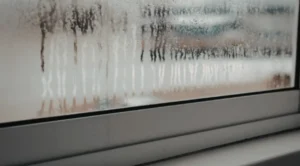
Condensation trapped between glass panes indicates a failed insulated seal, allowing moisture into the air cavity. This seal failure reduces thermal performance and can promote mold growth.
Signs of seal failure include:
- Persistent fog or droplets inside panes
- Streaks that cannot be wiped away externally
- Wet spots collected along frame edges
Addressing failed seals promptly prevents structural rot and prepares the way for windows with advanced Low-E coatings and desiccant-filled spacer systems.
How Can High Energy Bills Signal Window Replacement Needs?
Windows that no longer insulate properly allow heat to escape in winter and leak cooled air in summer, forcing HVAC systems to run longer. Replacing old windows can cut heating and cooling costs by 10–25%, offering both immediate savings and long-term value.
Energy Savings with Window Replacement
Replacing old windows with energy-efficient models can significantly reduce heating and cooling costs. Studies show that homeowners can save between 10% and 25% on their energy bills by upgrading to more efficient windows, with even greater savings possible depending on the window type and home’s characteristics.[1]
| Window Type | Annual Savings (%) | Typical ROI (%) |
|---|---|---|
| Single-pane (old) | 0–5 | 20–30 |
| Double-pane standard | 10–15 | 50–60 |
| Double-pane Low-E | 15–25 | 60–70 |
Upgrading to energy-efficient windows reduces bills and improves indoor comfort throughout Atlanta’s hot summers and chilly winters.
What Operational Issues Show Your Windows Need Replacing?
Operational issues occur when windows stick, jam, or slide unevenly due to frame warping, broken balances, or corroded hardware. Such difficulties reduce usability and can pose safety hazards.
Frequent problems include:
- Sliding sashes that tilt or bind
- Crank-operated windows with stiff mechanisms
- Poor alignment preventing full closure
Testing operation involves opening, closing, and locking each window; difficulty or friction beyond normal wear indicates a need for replacement to restore smooth function and emergency egress.
How Does Visible Damage Affect Window Performance and Appearance?
Visible damage, like cracked glass, rotted frames, or peeling paint, compromises insulation and undermines curb appeal. Damaged components allow drafts and moisture intrusion, while worn surfaces erode a home’s aesthetic value.
Typical damage signs:
- Fine cracks or chips in glass
- Warped or bowed frame members
- Flaking paint and exposed wood
Replacing windows eliminates these visual defects, strengthens weather resistance, and enhances property value in Atlanta’s competitive housing market.
How Can You Detect and Measure Energy Loss from Old Windows?
Measuring energy loss confirms the extent of insulation failure and quantifies potential savings. Techniques range from thermal imaging to blower-door tests, guiding decisions on window upgrades.
What Causes Drafty Windows and Poor Insulation?
Drafts and poor insulation stem from broken seals, settling foundations, and aged caulking. Over time, weatherstripping wears out and frames shrink, creating air leaks.
Primary causes:
- Failed glass-to-frame seals
- Shrinking or warped wood elements
- Degraded weatherstripping
- Gapped joints in vinyl or aluminum frames
Understanding these causes clarifies why modern windows with foam-filled frames and continuous gaskets perform far better.
How Do Single-Pane and Double-Pane Windows Differ in Energy Efficiency?
Single-pane windows consist of one glass layer and offer minimal insulation, while double-pane windows contain two layers separated by an air or gas cavity that slows heat transfer. Double-pane units can reduce heat loss by up to 50%.
| Window Type | R-Value | U-Factor (lower is better) | Energy Performance |
|---|---|---|---|
| Single-Pane | 0.9 | 1.13 | Poor insulation |
| Double-Pane | 1.9 | 0.57 | Good baseline efficiency |
| Double-Pane Low-E | 2.6 | 0.35 | High efficiency with coatings |
Impact of Window Type on Energy Efficiency
The type of window installed greatly influences energy efficiency. Double-pane windows, especially those with Low-E coatings, offer substantial improvements over single-pane windows. These features reduce heat transfer, leading to lower energy consumption and increased comfort.[2]
What Are Low-E Coatings and Insulated Frames?
Low-E (low emissivity) coatings are microscopically thin metallic films on glass that reflect infrared heat, while insulated frames incorporate foam or thermal breaks to reduce conduction inside the frame. Together, these features lower U-factor ratings and curb energy loss.
Key features include:
- Spectrally selective coatings
- Fill gases like argon or krypton between panes
- Foam-filled vinyl or composite frame chambers
These technologies combine to create windows that keep heat in during winter and out during summer.
How Much Can New Windows Reduce Your Heating and Cooling Costs?
Energy-efficient replacement windows can lower heating and cooling expenses by 10–25% and often pay for themselves through utility savings over their lifespan. Enhanced weather-resistance also reduces strain on HVAC equipment, extending its service life.
What Are the Common Causes and Risks of Window Condensation and Moisture Issues?
Trapped moisture signals insulation breakdown and can lead to mold, rot, and structural damage. Addressing condensation early protects indoor air quality and wood framing.
When Is Window Fogging a Serious Problem?
External condensation on glass often clears with temperature change, but fogging between panes indicates a broken seal and lost insulating gas. Internal condensation on the room side usually reflects high indoor humidity but can point to insulation issues if persistent.
Key distinctions:
- Exterior fog clears quickly in sun
- Interior fog appears overnight or during cooking
- Inter-pane fog cannot be wiped away
Differentiating these helps decide between dehumidification and full window replacement.
How Do Failed Window Seals Lead to Mold and Structural Damage?
Once a seal fails, moisture penetrates frame cavities and sills, creating ideal conditions for mold and wood decay. Over time, rot weakens framing joints and can spread into adjacent structural members.
Risks include:
- Black mold growth on sills and surrounds
- Softening or crumbling of wood frames
- Paint blistering and interior wall stains
Preventing these hazards often requires sealing replacement windows with factory-sealed insulated glazing.
What Are the Do’s and Don’ts for Managing Window Moisture?
Managing window moisture involves proper ventilation and routine checks, but quick fixes rarely address seal failure. Replacement becomes necessary when mitigation falls short.
Do’s:
- Use exhaust fans in kitchens and baths
- Wipe interior condensation daily
- Monitor humidity with a hygrometer
Don’ts:
- Apply interior film kits over failed seals
- Ignore recurring mold spots
- Paint over water stains without repair
Following best practices reduces minor moisture but ensures homeowners recognize when replacement is the real solution.
How Do Operational Difficulties Indicate It’s Time to Replace Your Windows?
Windows designed for smooth opening and closing lose functionality when worn or damaged, signaling frame or hardware failure and potential safety issues.
Why Do Windows Stick or Become Hard to Open and Close?
Frame warping, track debris, and worn balances cause sash friction. Wood frames expand with moisture and contract in dry conditions, while vinyl can distort under prolonged heat.
Common causes:
- Paint buildup on sash edges
- Rusted or broken balance springs
- Debris lodged in tracks
Regular lubrication and cleaning help short-term, but recurring sticking points to a need for replacement with robust, low-maintenance frames.
What Safety Risks Are Posed by Faulty Window Operation?
Stuck windows can block emergency escape routes and compromise home security. In a fire or break-in, inability to open a window swiftly can endanger lives and property.
Risks include:
- Hampered egress during fire
- Inability to ventilate smoke
- Locked-in occupants in upper floors
- Easy forced entry through damaged locks
Safe replacement windows restore full operation and peace of mind.
How Can You Test Your Windows for Operational Problems?
Homeowners can perform simple checks to gauge window function and predict replacement timing.
- Open/Close Test – Operate each sash fully and note stiffness.
- Lock Engagement – Test all latches for smooth lock/unlock action.
- Tilt-In Feature – For tilt windows, confirm safe tilting and locking.
- Alignment Check – Inspect even gaps around closed sashes.
Difficulty in any step indicates worn components or frame distortion best solved by installing new windows.
How Does Visible Damage Affect Your Windows and Home Value?
Physical deterioration reduces insulation, invites moisture, and harms curb appeal, factors that directly influence resale value.
What Are the Signs of Cracked Glass and Warped Frames?
Cracks, chips, and bowed frames reflect structural compromise. Even hairline cracks can spread, while warped frames fail to form airtight seals.
Visual cues include:
- Small fractures radiating from impact points
- Bowed sash edges visible at closing
- Uneven daylight lines around glass
Recognizing these signs helps homeowners plan timely replacements.
How Does Rotting Wood and Peeling Paint Impact Window Integrity?
Rot and peeling paint reveal moisture infiltration and decay in wooden components. Once paint fails, wood fibers absorb water, accelerating structural breakdown.
Impacts include:
- Soft, spongy frame sections
- Gaps at joints where rot occurs
- Flaking paint that exposes more wood
Eliminating rot through replacement restores both performance and appearance.
Why Is Curb Appeal Important When Considering Window Replacement?
Fresh, well-designed windows enhance a home’s exterior and can recoup up to 67% of project cost at sale. Attractive styles and clean lines signal quality maintenance to buyers and neighbors.
Benefits include:
- Improved resale value and faster sale
- Modernized architectural appearance
- Enhanced street-side impression
Investing in new windows pays dividends in both comfort and marketability.
How Can New Windows Help Reduce Noise Pollution in Your Home?
Beyond energy savings, modern windows significantly dampen outdoor noise, creating a quieter indoor environment essential for work, rest, and media production.
What Causes Excessive Outdoor Noise Through Old Windows?
Thin single-pane glass, loose seals, and uninsulated frames allow sound waves to pass directly through, amplifying street noise, traffic, and neighborhood sounds.
Key factors:
- Lack of acoustic glazing
- Air gaps around frames
- Hard, resonant surfaces
Understanding these causes underlines the value of specialized sound-blocking windows.
How Do Soundproofing Windows and Triple-Pane Glass Work?
Soundproof windows employ multiple glass layers, laminated interlayers, and inert gas fills to absorb and reflect noise energy. Triple-pane designs add a third layer for extra barrier performance.
Mechanisms include:
- Dampening via laminated glass interlayers
- Disruption of sound vibrations across cavity buffers
- Heavy glass panes that resist acoustic transmission
These features combine to reduce noise by 30–50% compared to single-pane windows.
What Are Noise Reduction Ratings and How Do They Help?
Noise Reduction Coefficient (NRC) and Sound Transmission Class (STC) ratings quantify a window’s ability to block sound. Higher STC numbers indicate better performance.
| Rating Type | Scale | Typical Improvement |
|---|---|---|
| STC | 20–50+ | +10 STC = ~50% more quiet |
| NRC | 0.0–1.0 | .2 increments matter |
Comparing ratings allows homeowners to choose windows suited to busy urban or flight-path areas.
How Do You Choose the Right Replacement Windows for Your Home in Atlanta?
Selecting the optimal replacement involves balancing material, energy ratings, local climate, and aesthetic goals to achieve lasting performance and value.
What Are the Best Window Materials for Energy Efficiency and Durability?
Different frame materials offer distinct advantages in insulation, maintenance, and longevity. Understanding their attributes helps align choices with priorities.
| Material | Energy Efficiency | Durability | Maintenance |
|---|---|---|---|
| Vinyl | High insulative value | Resistant to rot | Requires only washing |
| Fiberglass | Excellent thermal break | Dimensionally stable | Minimal upkeep |
| Wood | Good natural insulation | Prone to rot if untreated | Periodic painting |
These comparisons guide homeowners toward materials that suit Atlanta’s humidity and heat.
Why Is Energy Star Certification Important for New Windows?
Energy Star certification ensures windows meet strict U-factor and SHGC standards, providing verified energy savings. Certified products often qualify for rebates and add resale appeal.
Benefits include:
- Guaranteed efficiency ratings
- Eligible for utility and tax incentives
- Recognized mark of quality
Choosing certified windows maximizes savings and performance consistency.
How Do You Find a Trusted Local Window Company Like Cofer Brothers?
Evaluating local expertise involves reviewing experience, product range, and customer feedback. Cofer Brothers has served Atlanta since 1919, offering diverse window styles, Low-E options, and professional installation guidance. Homeowners can contact Cofer Brothers for a free consultation to explore custom solutions and receive an on-site estimate.
What Should You Expect During the Window Installation Process?
A professional installation follows clear steps to ensure a weather-tight fit and lasting performance.
- On-site measurement of existing openings
- Removal of old windows and preparation of rough opening
- Leveling and shimming of new window frame
- Caulking and flashing to seal exterior joints
- Interior sealing and trim work
- Final inspection for smooth operation
Knowing these stages helps homeowners prepare and coordinate schedules.
Where Can You Find Expert Help for Window Replacement in the Atlanta Metro Area?
Cofer Brothers is a local building materials leader with a century-long history of serving contractors, homeowners, and film/TV professionals in Atlanta. Their deep local expertise ensures the right products, professional guidance, and reliable service.
Why Choose Cofer Brothers for Your Window Replacement Needs?
Cofer Brothers offers unmatched local knowledge, quality products, and personalized service:
- Over 100 years serving Atlanta’s construction needs
- Wide selection of energy-efficient window lines
- Expert staff advising on materials and code compliance
- Trusted by contractors and production crews for reliability
This heritage of service delivers confidence from selection through installation.
How Can You Get a Free Window Replacement Estimate?
Homeowners can schedule a no-obligation estimate in three steps:
- Call or use the online contact form
- Arrange an on-site appointment with a window specialist
- Receive a detailed proposal with product options and pricing
Prompt response and transparent quotes make planning straightforward.
What Do Atlanta Homeowners Say About Their Window Replacement Experience?
Local customers praise Cofer Brothers for clear communication, professional installation, and energy savings. One homeowner noted, “Our new Low-E windows cut our winter heating bill by 20% and transformed our living room comfort.” Such testimonials highlight trust and satisfaction built over decades.
Replacing aging windows restores energy efficiency, prevents damage, and elevates home value. Cofer Brothers stands ready to guide selection, deliver expert installation, and ensure Atlanta homeowners enjoy lasting performance and comfort.
[1] U.S. Department of Energy, Energy Efficiency and Renewable Energy (2024)[2] National Fenestration Rating Council (NFRC), Certified Products Directory (2025)