
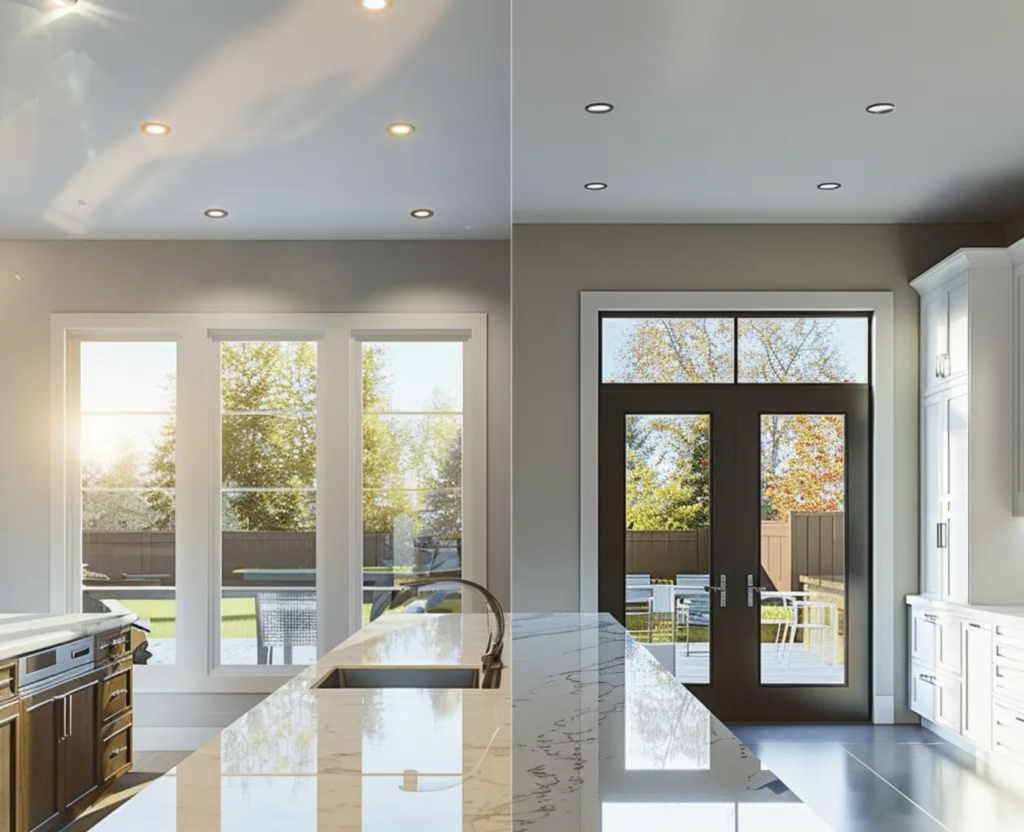
Choosing between builder grade and premium materials shapes project budgets, durability outcomes, and client satisfaction in Atlanta construction and renovation. This guide breaks down what defines mass-produced, cost-effective builder grade components versus higher-end, longer-lasting premium options, compares core differences in cost, lifespan, aesthetics, energy efficiency, and resale value, outlines when upgrading makes sense, examines on-site performance factors, and highlights Cofer Brothers’ Atlanta-area availability for both material grades. Contractors, homeowners, and film/TV production professionals will gain a clear roadmap for material selection and learn how Cofer Brothers supports every grade with expert consultation, special orders, and fast turnaround.
What Are Builder Grade Materials and Their Key Characteristics?
Builder grade materials refer to standard, mass-produced construction components designed for affordability, offering basic functionality and limited customization that keep project expenses low. These economy-focused products minimize upfront costs but often trade off design flexibility and lifespan.
Key traits of builder grade materials shape initial budgets and design scope:
- Affordability maintains tight project costs.
- Basic functionality meets minimum performance requirements.
- Mass production ensures wide availability.
- Limited aesthetic appeal restricts customization.
- Shorter lifespan can increase long-term replacement needs.
Builder grade materials deliver immediate savings while offering predictable procurement. Examining their performance leads us to compare higher-end alternatives.
Common Builder Grade Materials in Atlanta Projects
| Product | Typical Use | Expected Lifespan |
|---|---|---|
| Laminate Countertops | Entry-level kitchen surfaces | 5–10 years |
| Standard Vinyl Windows | Basic window installation | 10–15 years |
| Dimensional Lumber | Framing and general carpentry | 15–20 years |
| Sheet Vinyl Flooring | Budget flooring solution | 7–12 years |
Builder grade options excel at initial affordability but often require earlier replacement and offer limited design upgrades. Understanding these characteristics prepares us to explore premium alternatives.
What Defines Builder Grade Materials in Construction?
Builder grade materials are characterized by lower upfront cost, functional reliability, and rapid availability, mechanisms that streamline project scheduling and reduce budget risk. For example, standard vinyl windows supply essential weather resistance at minimal cost, but they seldom feature high-performance glazing or custom sizing. Recognizing these trade-offs clarifies when basic grade products serve project goals and when higher tiers may be warranted.
What Are Common Examples of Builder Grade Materials?
Builder grade products typically include laminate countertops, uncoated particle board cabinetry, basic vinyl windows, engineered wood flooring, and standard drywall. These widely used items meet building code requirements and reduce procurement time, especially for large developments or cost-sensitive projects.
How Do Builder Grade Materials Perform in Durability and Aesthetics?
Builder grade components perform adequately under normal conditions but show wear more quickly than premium counterparts. Their basic finishes resist minor scratches and stains but lack the refined appearance and resilience that high-end materials deliver over decades.
What Are the Cost Implications of Choosing Builder Grade?
Builder grade selections lower initial expenditures by up to 40%, enabling budget allocation to structural or labor priorities. However, shorter replacement cycles and limited resale impact can translate into higher lifecycle costs if longevity and market value are key objectives.
Cost Implications of Builder Grade Materials
Builder grade materials often have lower initial costs, potentially allowing for budget allocation to other project areas. However, the shorter lifespans of these materials can lead to higher lifecycle costs due to the need for more frequent replacements.[1]
How Do Premium Materials Differ from Builder Grade?
Premium materials deliver superior craftsmanship, enhanced durability, and design flexibility that elevate both aesthetic appeal and long-term value. Investing in higher-end components supports project prestige, energy performance, and homeowner satisfaction.
Defining features of premium building materials include:
- Exceptional quality through select materials and finishes
- Advanced engineering for increased strength and resilience
- Custom sizing and design options for tailored aesthetics
- Extended warranties reflecting manufacturer confidence
- Enhanced energy efficiency that lowers utility costs
Premium materials deliver enduring performance and create spaces that command higher market prices.
Common Premium Materials for Renovations
| Product | Key Benefit | Longevity |
|---|---|---|
| Quartz/Granite Countertops | Stain and scratch resistance | 25–30 years |
| Hardwood Flooring | Rich grain and structural strength | 30–50 years |
| Triple-Pane Windows | Superior insulation and noise reduction | 20–30 years |
| Solid-Wood Cabinetry | Refinishable surfaces and durability | 25+ years |
High-end choices justify greater investment by reducing maintenance, boosting energy savings, and enhancing resale. Next, we’ll compare builder grade and premium options directly.
What Are the Defining Features of Premium Building Materials?
Premium materials often combine dense natural components or engineered composites, specialized coatings, and precision fabrication. These methods improve wear resistance, structural integrity, and aesthetic detail beyond basic grade standards.
Which Premium Materials Are Commonly Used in Home Renovations?
Home renovations frequently use hardwood flooring, quartz countertops, wood-clad windows with Low-E coatings, custom-painted trim, and designer brick or stone veneers for lasting appeal and performance.
How Do Premium Materials Impact Durability and Maintenance?
Premium materials require less frequent repairs and refinishing due to superior surface hardness and protective treatments. This longevity reduces life-cycle maintenance costs and minimizes downtime for upkeep.
What Are the Long-Term Cost and Resale Value Benefits of Premium Materials?
Investing in premium finishes can increase home resale value by 5–10%, as buyers recognize the durability and visual excellence of hardwood floors, granite countertops, and energy-efficient windows. Over time, reduced repair expenses further offset initial outlays.
Benefits of Premium Materials
Premium materials offer superior craftsmanship and enhanced durability, which can increase a home’s resale value. This is because buyers often recognize the lasting quality and aesthetic appeal of high-end materials like hardwood floors and granite countertops.[2]
What Are the Key Differences Between Builder Grade and Premium Materials?

Cost considerations, durability ratings, visual appeal, maintenance needs, energy efficiency, and resale impact all vary significantly between builder grade and premium materials. Evaluating these dimensions side by side clarifies which grade best aligns with project goals and client expectations.
How Do Cost Considerations Vary Between Builder Grade and Premium?
Builder grade materials typically cost 30–50% less up front, making them attractive for tight budgets. Premium products demand higher initial investment but deliver lower life-cycle costs through extended performance and reduced maintenance.
How Does Durability Compare Across Material Grades?
| Material Grade | Durability Rating | Average Lifespan |
|---|---|---|
| Builder Grade | Basic | 5–15 years |
| Premium Grade | Superior | 20–50 years |
Premium materials offer two to three times greater lifespan, minimizing replacement frequency and enhancing long-term ROI.
What Are the Aesthetic and Design Differences?
Builder grade items provide functional finishes in standard colors and profiles, while premium materials offer custom textures, rich patterns, and advanced color options that elevate space design and personalization.
How Do Maintenance and Longevity Differ?
Higher-end materials maintain visual and structural quality with basic cleaning, whereas builder grade surfaces often require protective treatments or earlier replacement to preserve appearance.
What Role Does Energy Efficiency Play in Material Choice?
Premium windows and insulated siding can reduce heating and cooling costs by up to 20%, whereas basic builder grade alternatives typically meet only minimum code requirements without significant efficiency gains.
How Do Material Grades Affect Home Resale Value?
Properties featuring premium flooring, countertops, and windows often command higher listing prices and attract buyers seeking turnkey quality, whereas builder grade finishes may necessitate upgrades before resale.
Recognizing these contrasts leads to determining the optimal timing for material upgrades.
When Should You Upgrade from Builder Grade to Premium Materials?
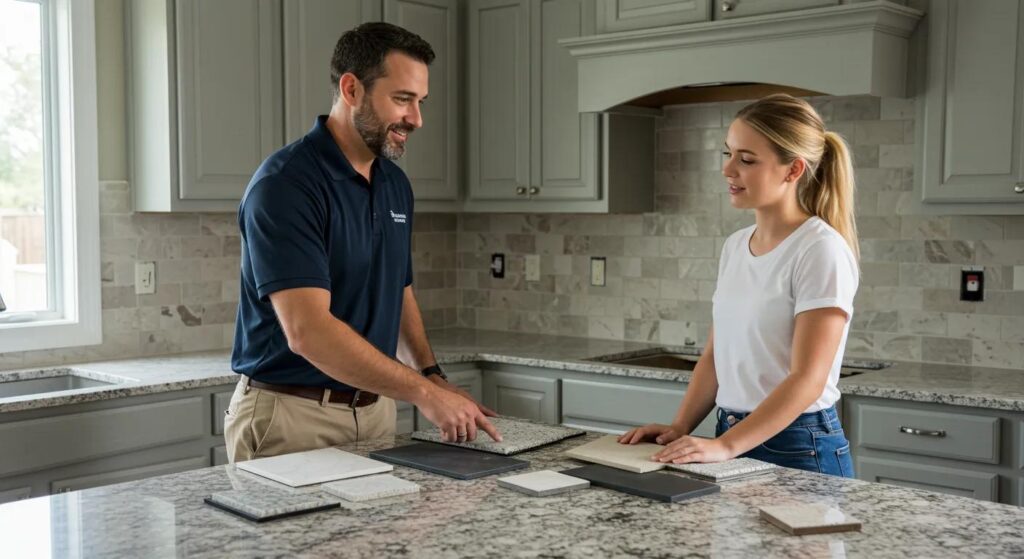
Upgrading from builder grade to premium materials becomes advisable when long-term value, performance demands, or client expectations outweigh initial cost savings. Assessing budget trade-offs, project type, and target areas clarifies upgrade timing.
What Budget Factors Influence the Decision to Upgrade?
Projects with flexible budgets that prioritize lifecycle cost savings benefit from premium materials. Factoring in reduced maintenance, energy savings, and higher resale premiums helps justify higher upfront expenses.
How Does Project Type Affect Material Grade Choice?
Different build scenarios call for distinct grade levels:
- New custom homes often demand premium finishes for market positioning.
- Simple flips may use builder grade to control investment.
- High-profile renovations and commercial builds benefit from premium durability.
- Film and TV sets may mix grades to balance on-set wear with visual appeal.
Which Home Areas Benefit Most from Premium Materials?
High-traffic and visible zones deliver maximum impact from premium products:
- Kitchens: Quartz or granite countertops
- Bathrooms: Porcelain tile and solid-wood cabinetry
- Windows: Energy-efficient, sound-reducing units
- Flooring: Hardwood or luxury vinyl plank
- Roofing and siding: Architectural shingles and composite panels
How Do Client Expectations Shape Material Selection?
Clients seeking luxury, sustainability, or long-term performance often expect premium materials and warranties. Clear communication of benefits and maintenance requirements guides informed choices.
What Are Real-World Examples of Successful Upgrades?
In Buckhead, replacing builder grade windows with triple-pane Low-E units resulted in a 15% reduction in energy bills. On a film set in Midtown, cost-effective builder grade lumber delivered quick turnaround, while premium Pulp Art Surfaces panels provided lasting visual fidelity under heavy lighting.
Budget, project type, and site demands guide upgrade decisions, but jobsite durability remains a critical factor.
How Does Jobsite Durability Influence Material Grade Selection?
Jobsite durability considerations ensure that selected materials withstand handling, weather, and wear during construction and beyond, affecting both project timelines and long-term performance. Understanding on-site stress factors helps avoid damage delays and replacement costs.
How Do Builder Grade and Premium Materials Perform Under Jobsite Stress?
Builder grade lumber and drywall resist basic handling but may dent or warp under heavy traffic and moisture. Premium materials often feature factory-sealed surfaces and engineered stability that limit on-site damage and reduce rework.
What Installation Factors Affect Material Choice and Cost?
Ease of installation speeds labor and minimizes errors.
Specialized handling requirements increase labor rates.
Pop-out or breakage during setup raises material waste.
Projects with tight schedules may favor components designed for rapid assembly and minimal on-site alteration.
How Do Warranty and Support Differ by Material Grade?
Premium manufacturers often offer extended coverage and replacement guarantees, while builder grade warranty terms are shorter and may not cover installation-related issues. Strong support reduces project risk.
What Are Contractor Insights on Material Performance?
Cofer Brothers’ experienced staff notes that premium windows and siding panels consistently yield lower defect rates during installation, whereas builder grade alternatives require tighter handling protocols to avoid damage.
Assessing on-site resilience informs the final choice between grades.
What Does Cofer Brothers Offer for Builder Grade and Premium Materials in Atlanta?
Cofer Brothers supplies both builder grade and premium building materials from a fully stocked lumberyard and window shop, ensuring fast turnaround and expert guidance for all project scales in Atlanta. Over 100 years of family-owned service underpins reliable delivery and consultation.
Which Product Categories Does Cofer Brothers Supply?
- Lumber and engineered wood products
- Vinyl, wood-clad, and aluminum windows
- Interior and exterior doors
- Cabinetry and moulding
- Countertops: laminate to quartz and stone
- Roofing, decking, siding, and trim
- Hardware, fasteners, and specialty panels
How Does Cofer Brothers Support Special Orders and Custom Requests?
A dedicated order desk manages custom millwork, specialty finishes, and unique material profiles with lead times as short as 48 hours for windows and doors, ensuring project schedules stay on track.
What Expert Consultation Services Are Available for Material Selection?
Cofer Brothers’ project specialists provide on-site reviews, material sample coordination, energy-efficiency guidance, and finish-matching advice to align product performance with client expectations and budget.
How Does Cofer Brothers Serve Film and TV Production Needs?
Supplying Pulp Art Surfaces Dimensional Wall Skins, scenic lumber, and rapid-turn specialty panels, Cofer Brothers supports set durability and visual accuracy under heavy lighting and crew use. For project inquiries and quotes, visit Cofer Brothers Contact Page.
Extensive inventory and service depth make Cofer Brothers the go-to source for both builder grade and premium materials.
What Are the Latest Industry Trends Impacting Builder Grade and Premium Materials?
Sustainable, smart, prefabricated, and locally driven trends are reshaping material selection across builder grade and premium segments. Staying informed ensures future-proof decisions.
How Are Sustainable Building Materials Changing Material Choices?
Bio-based products like bamboo flooring, recycled steel framing, and low-VOC finishes are gaining demand, reducing environmental impact and meeting green building standards in both economy and upscale projects.
What Smart Materials and Technologies Are Emerging?
Smart windows with electrochromic tinting, self-healing concrete mixes, and sensor-integrated panels that monitor humidity or stress exemplify innovations enhancing performance and maintenance.
How Is Modular and Prefabricated Construction Affecting Material Use?
Off-site assembly of wall panels, floor cassettes, and roof trusses accelerates schedules, minimizes waste, and standardizes quality, driving wider adoption of both builder grade and premium prefabricated components.
What Local Atlanta Market Trends Influence Material Availability and Demand?
Atlanta’s climate variability and new energy codes spur interest in high-performance windows, storm-resistant roofing, and moisture-managed siding systems. Local suppliers like Cofer Brothers adapt inventory to match these regional drivers.
Advances in sustainability, smart technology, and modular building continue to shape material grades and selection criteria.
Informed material decisions, grounded in clear differences between builder grade and premium options, practical upgrade timing, site durability factors, and Cofer Brothers’ specialized Atlanta offerings, ensure project success. Contact Cofer Brothers today to discuss your next build or renovation and secure the right materials for your budget and performance goals.
[1] U.S. Department of Housing and Urban Development HUD Exchange Training Resources
[2] National Association of Home Builders, “Housing Economics” (2023)