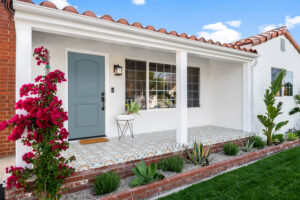
Fiberglass doors last 25-30 years with minimal care. Aluminum-clad is a premium option lasting 30+ years. Wood doors can rot and crack in Georgia’s humidity, require topcoating every 6-12 months, and most carry only a 1-year warranty. If your exterior door sticks, drafts, or shows damage, it may be time to replace.
Your front door works hard every day. It opens and closes thousands of times a year. It faces sun, rain, heat, and humidity. Over time, even a good exterior door wears out.
Knowing how long your exterior door should last helps you plan ahead. You can budget for replacement before problems show up. You can also tell the difference between normal wear and signs that something is wrong.
Most homeowners do not think about their exterior door until it causes problems. By then, the door may be leaking air, letting in moisture, or harder to open and close. Catching these issues early saves money and stress.
Exterior Door Lifespan by Material
Door lifespan depends mostly on material. Each type handles weather and use differently.
Fiberglass Doors
Fiberglass doors last 25-30 years on average. Some last even longer with basic care.
Fiberglass does not rot, warp, or rust. It handles humidity and temperature swings well. This makes it a great choice for homes in the Atlanta area, where summers are hot and humid.
Most fiberglass doors need little maintenance. Occasional cleaning and hardware checks are usually enough.
Best for: Homeowners who want durability without much upkeep.
Wood Doors
Wood doors can look beautiful. But they require serious, ongoing commitment.
Wood is sensitive to moisture. In humid climates like Georgia, wood doors can swell, shrink, warp, rot, and crack. Most manufacturers recommend applying a new topcoat every 6-12 months to keep the door protected. Skip that maintenance and problems show up fast. Rot can set in. Cracks develop. The door fails sooner than you expect.
Most wood doors only carry a 1-year warranty. That tells you what manufacturers expect.
How long a wooden exterior door lasts depends entirely on how well it is maintained, how much sun and rain it faces, and whether it has any overhead protection. There is no reliable number because the range is so wide.
Best for: Covered entries with minimal exposure, homeowners committed to refinishing every 6-12 months, or historic homes where wood is required.
Aluminum-Clad Doors
Aluminum-clad exterior doors are a premium option. They last 30 years or more on average and combine the best of both worlds: a wood interior with a protective aluminum exterior.
The aluminum cladding protects the door from weather, moisture, and UV damage. It does not need painting and resists fading. The wood interior gives you the warm look and feel of real wood inside your home.
Aluminum-clad exterior doors cost more upfront. But they often pay off over time with lower maintenance and longer life. For homeowners who want the look of wood without the constant upkeep, aluminum-clad is a great choice.
Best for: Homeowners who want a premium look with less upkeep than solid wood.
What Shortens Exterior Door Lifespan?
Even a quality door will not last as long if conditions work against it.
Sun Exposure
Doors that face south or west get more direct sunlight. UV rays fade finishes and can break down materials faster. Fiberglass and aluminum-clad doors handle sun better than solid wood.
Moisture and Humidity
Atlanta’s humidity is hard on exterior doors. Wood absorbs moisture, expands, and can rot or crack over time. Doors without proper overhangs or covered porches face more exposure. Fiberglass and aluminum-clad options resist moisture better than solid wood.
Heavy Use
Front exterior doors open and close more than side or back exterior doors. The more use a door gets, the faster hardware wears out. Hinges sag. Weatherstripping compresses. Locks loosen.
Poor Installation
A door that was not installed correctly will fail sooner. Gaps let air and water in. Frames that are not square cause sticking and uneven wear. If your door has had problems since installation, it may not last as long as it should.
Signs It’s Time to Replace Your Exterior Door
Age alone does not always mean a door needs replacing. Look for these warning signs.
Visible Damage
Cracks, warping, or rot mean the door is no longer doing its job. Wood doors are especially prone to cracking and rotting in humid climates. Small surface cracks can sometimes be repaired. Deep cracks, soft spots, or rot usually mean it is time for a new door.
Drafts
If you feel air around the door frame, the seal has failed. Sometimes new weatherstripping fixes the problem. If the door itself has warped or shrunk, replacement is the better option.
Sticking or Difficulty Opening
Doors that stick or drag may have swollen from moisture. They may also have shifted as the house settled. Minor sticking can sometimes be fixed. If the problem keeps coming back, the door or frame may need replacing.
Foggy or Cracked Glass
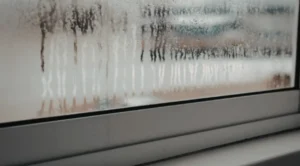
If your door has glass inserts, check them for fog or cracks. Foggy glass means the seal between panes has failed. Cracked glass is a safety issue. Both are often easier to fix by replacing the door than repairing the glass.
Faded or Peeling Finish
A worn finish is not just a cosmetic issue. It means the door is no longer protected from the elements. On wood doors, this leads to rot and cracking fast. Even aluminum-clad doors can fade over time with heavy sun exposure, though the cladding itself stays protected.
How Does Climate Affect Door Lifespan in Georgia?
Georgia weather is tough on exterior doors. Summers are hot and humid. Winters bring cold snaps and rain. Spring and fall bring pollen, moisture, and temperature swings.
Homes in Brookhaven, Druid Hills, and similar neighborhoods often have older doors that have faced decades of this weather. Many were installed when the home was built and have never been replaced.
Wood doors struggle the most in our climate. The humidity causes constant expansion and contraction. Over time, this leads to rot and cracking. Manufacturers recommend a new topcoat every 6-12 months to keep wood protected. Most wood door warranties are only 1 year. For homeowners who do not want that level of upkeep, wood is usually not the right choice.
Fiberglass and aluminum-clad doors are great choices for our climate. Fiberglass does not absorb moisture or warp in heat. Aluminum-clad doors have a protective exterior that stands up to humidity and temperature changes. For most homes in the Atlanta area, fiberglass offers the best combination of durability and value. Aluminum-clad is a premium option for homeowners who want the look of wood without the risks.
If your door is showing wear, it is worth having someone take a look. Even if it still works, you may be losing energy and comfort without realizing it.
When Should You Start Planning for Replacement?
Do not wait until your door fails completely. Start paying attention when you notice changes.
Check the weatherstripping. Look for cracks, rot, or soft spots. Test how smoothly it opens and closes. Feel for drafts around the edges.
If you notice any warning signs, get an opinion before the problem gets worse. A small issue today can become a bigger repair later.
Planning ahead also gives you time to choose the right door. You can compare materials, styles, and prices without rushing. You can order what you want instead of settling for what is in stock.
How Can Cofer Brothers Help?
We offer fiberglass, wood, and aluminum-clad exterior doors from trusted brands. For fiberglass, we offer Therma-Tru, Plastpro, Masonite, and JELD-WEN. For aluminum-clad options, we offer Pella, Ply Gem, and Western Window Systems.
Fiberglass and aluminum-clad are great choices for Georgia homes. Our team can help you compare options and choose the right door for your home, your budget, and your climate.
If you are not sure whether your current door needs replacing, we are happy to talk it through. Sometimes a few repairs extend the life of a door. Other times, replacement is the smarter move.
We also assemble door units in our onsite door shop here in Tucker. That means faster turnaround and better quality control than doors shipped pre-assembled from somewhere else.
What Should You Do Next?
If your door is showing its age, now is a good time to take a closer look. Walk outside and inspect it. Check for cracks, rot, drafts, sticking, or faded finish.
If you see any warning signs, give us a call or stop by. We can help you figure out whether repair or replacement makes more sense. And if it is time for a new door, we will help you find one that fits your home and lasts for years to come.