Solid core doors block sound and feel more substantial. They can be used throughout your entire home for consistent quality. Hollow core doors cost less and work fine for closets and pantries. For bedrooms and bathrooms, solid core is the better choice. For closets and utility spaces, hollow core saves money without downside.
Interior doors do more than close off rooms. They block sound. They add weight and feel. They affect how your home sounds and functions every day.
The choice between solid core and hollow core comes down to where the door goes and what matters to you. Some homeowners want solid core throughout for a consistent, substantial feel. Others mix both types to save money where quiet is not a concern.
Homeowners in Decatur, Avondale, and across Metro Atlanta ask us this question all the time. The answer depends on your priorities and budget.
Quick Reference: Solid Core vs Hollow Core
| Feature | Solid Core | Hollow Core |
| Sound blocking | Good | Poor |
| Weight | Heavy (40-60 lbs) | Light (15-25 lbs) |
| Durability | Sturdier, lasts longer | Less durable |
| Cost | Higher | Lower |
| Best for | Any room, especially bedrooms and bathrooms | Closets, pantries, utility rooms |
These differences matter more than most people expect. The right choice depends on the room and your priorities.
What Is a Solid Core Door?
A solid core door has a dense interior. Most are made with composite wood, particleboard, or engineered wood fibers. The core fills the entire door from edge to edge.
This density blocks sound. It also adds weight. A typical solid core door weighs 40 to 60 pounds. When you close it, you hear and feel the difference.
Solid core doors cost more than hollow core. The materials cost more. The doors weigh more to ship. But they are sturdier, last longer, and keep rooms quieter. Many homeowners choose solid core throughout their entire home for these reasons.
Best for: Any room in your home. Essential for bedrooms, bathrooms, home offices, and media rooms where privacy matters.
What Is a Hollow Core Door?
A hollow core door has a cardboard honeycomb interior. The outer frame is solid wood or composite. The face is usually a thin layer of veneer or molded hardboard.
Most hollow core doors are molded panel doors. They look similar to solid core from the outside. The difference shows when you knock on them or try to block sound.
Hollow core doors weigh 15 to 25 pounds. They cost significantly less than solid core. For spaces where sound and durability do not matter as much, they work fine.
Best for: Closets, pantries, laundry rooms, utility spaces, anywhere noise reduction is not needed.
How Much Do Sound and Weight Really Matter?
Sound Blocking
This is the biggest difference. Solid core doors reduce sound transmission noticeably. They will not make a room soundproof, but they cut noise enough to matter.
Hollow core doors do almost nothing for sound. Conversations, televisions, and household noise pass through easily. If you want privacy in a bedroom or bathroom, hollow core will disappoint you.
For bedrooms facing a noisy living room or kitchen, solid core makes a real difference. For a closet in a hallway, it does not matter.
Weight And Feel
Solid core doors feel substantial. They swing smoothly and close with a solid sound. Many homeowners prefer this feel throughout their home.
Hollow core doors feel lighter and less substantial. Some people do not notice. Others find it cheap or flimsy. Personal preference plays a role here.
The weight also affects hardware and hinges. Heavier doors need sturdy hinges. Most standard hinges handle solid core fine, but check the weight rating if you are concerned.
Durability
Solid core doors hold up better over time. They resist dents and damage better than hollow core. In high-traffic areas or homes with kids and pets, this matters.
Hollow core doors can be punctured or damaged more easily. A doorknob hitting a wall can crack the face. Heavy use takes a toll faster than with solid core.
If longevity matters, solid core is the better investment.
How Much More Does Solid Core Cost?
Solid core doors typically cost two to three times more than hollow core. The exact price depends on size, style, and finish.
For a single closet door, the savings from hollow core might be $50 to $100. Multiply that across a whole house and the difference adds up.
But for bedrooms and bathrooms, most homeowners find the upgrade worth it. You close these doors every day. Privacy matters. The feel matters. And some homeowners choose solid core throughout for consistent quality.
Which Rooms Need Which Door?
The room and your priorities tell you which door to buy. Here is a simple guide.
Use Solid Core For:
Your entire home, if budget allows. Solid core provides consistent quality, better durability, and quieter rooms throughout.
Bedrooms. You want privacy when sleeping.
Bathrooms. Privacy matters here too.
Home offices. Especially if you work from home or take calls.
Media rooms. Sound isolation makes a difference.
Rooms facing noisy areas. Kitchens, living rooms, and high-traffic zones.
Use Hollow Core For:
Closets. Noise reduction is not needed.
Pantries. Same logic.
Utility rooms. Laundry, storage, mechanical spaces.
Areas with little traffic. If the door rarely closes, hollow core is fine.
Budget-conscious projects. When cost is the priority and sound does not matter.
What About Older Homes?
Many older homes in Decatur and Avondale still have original solid wood doors. These are heavier and more substantial than modern solid core. If you are replacing doors in an older home, solid core will feel closer to what was there originally.
Hollow core doors in older homes can feel out of place. The lighter weight and different sound stand out. If maintaining character matters, lean toward solid core.
Some older homes also have non-standard door sizes. If your openings do not match today’s standard dimensions, you may need custom doors. Talk with your supplier before assuming stock sizes will fit.
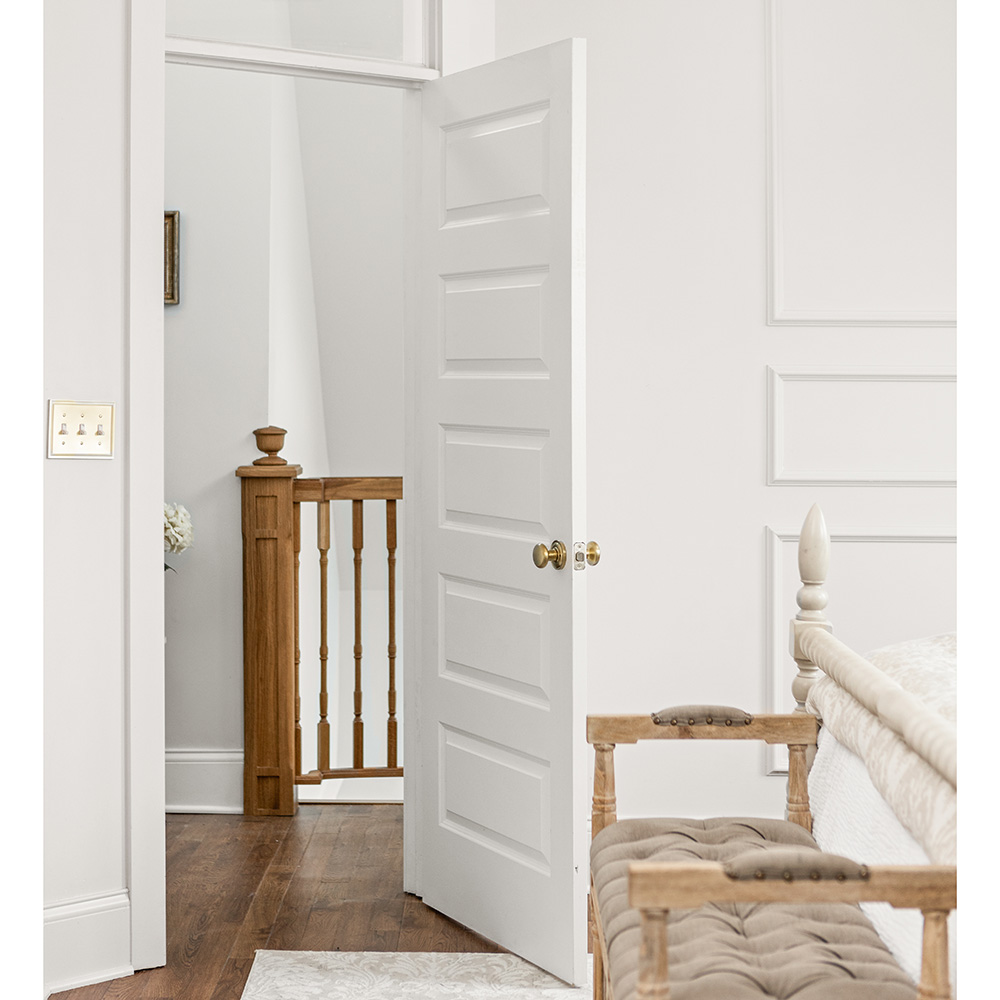
Can You Mix Solid Core and Hollow Core?
Yes. Many homes benefit from mixing both types.
Use solid core where it matters. Bedrooms, bathrooms, offices. Use hollow core where it does not. Closets, pantries, utility spaces.
This approach saves money without sacrificing quality where you notice it. The closet door you open once a day does not need the same door as your bedroom.
That said, some homeowners prefer solid core throughout for a consistent feel and better durability. Either approach works.
How Can Cofer Brothers Help?
We stock both solid core and hollow core slabs, plus prehung units ready for installation. Common sizes and styles are available quickly.
Our door shop in Tucker assembles prehung units to your specifications. You tell us the jamb, trim, and handing. We build it within a few days.
If you are not sure which type you need, we can walk through your project room by room. Some decisions are obvious. Others depend on your priorities and budget.
For older homes with non-standard sizes, we can help you find options or source custom doors. We see this regularly with homes across Metro Atlanta.
What Should You Do Next?
Make a list of the doors you need. Note which rooms they serve. Decide if you want solid core throughout or a mix of both types.
That list will tell you how many of each you need. Call or stop by and we can give you options and pricing.
The right choice delivers the quality and feel you want at a price that works.
What is the difference between solid core and hollow core doors?
Solid core doors have a dense interior made of composite wood or particleboard. They block sound better, feel heavier, and cost more. Hollow core doors have a cardboard honeycomb interior. They are lighter, cheaper, and work well for closets and low-traffic areas.
Where should I use solid core doors?
Solid core doors can be used throughout your entire home. They are sturdier, last longer, and provide better sound privacy in any room. Many homeowners choose solid core for bedrooms, bathrooms, and home offices where quiet matters most. Others use them throughout for a more substantial feel and consistent quality.
When should I use hollow core doors?
Hollow core doors work well for closets, pantries, utility rooms, and areas where sound blocking is not needed. They are a common, practical choice for these spaces. They cost less than solid core and perform fine where privacy and durability are not priorities.