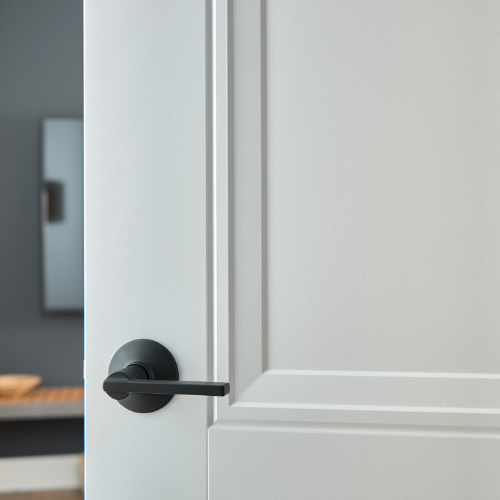
How Do I Measure for a Replacement Door?

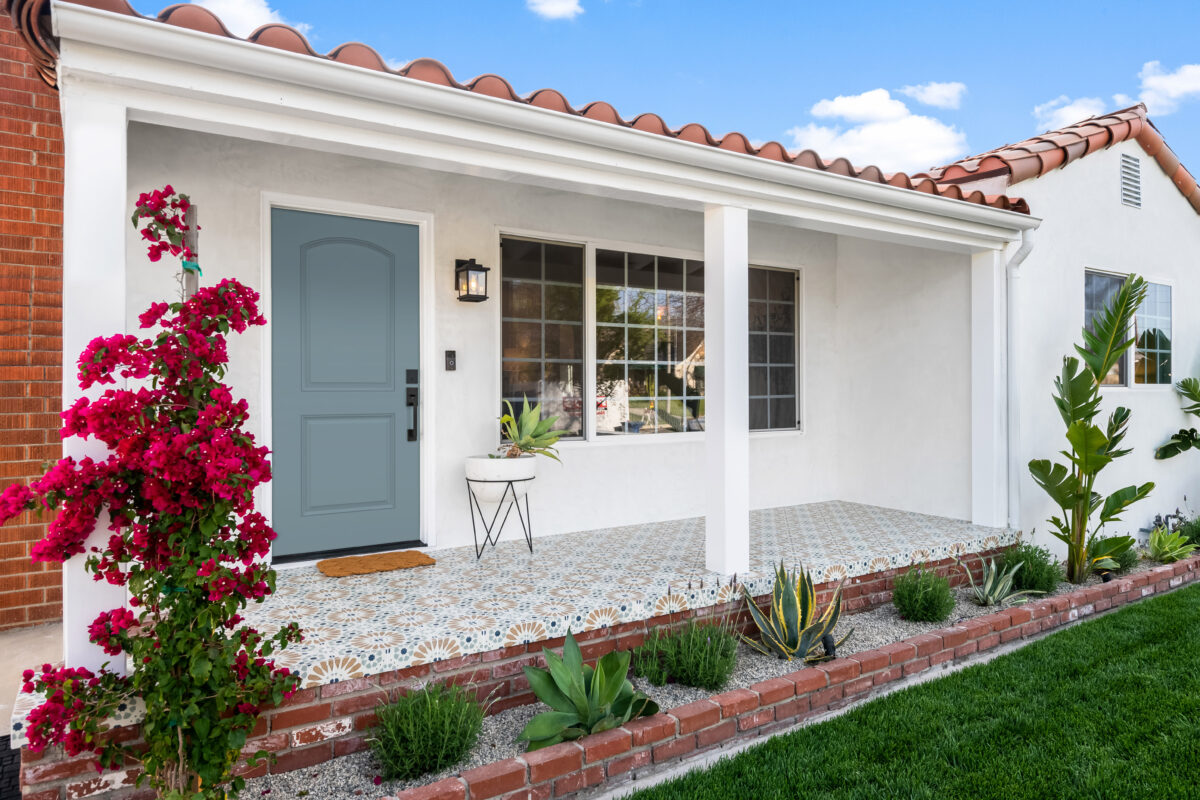
How you measure for a replacement door depends on whether it is interior or exterior. For interior doors, measure the slab itself (width, height, thickness) and note the casing type. Standard sizes cover most situations. For exterior doors, pull the interior trim back and measure outside of frame to outside of frame for width, top of jamb to bottom of sill for height, and full wall thickness for jamb depth. Also note the swing direction. Interior measurements are simple. Exterior measurements need to be exact.
Why Does Measuring for a Replacement Door Matter So Much?
A door that does not fit is one of the most expensive mistakes in any project. Custom doors are not returnable. Stock doors get sent back at your cost. Either way, you lose time, money, and your install date.
Most measuring problems come from the same place. People assume the opening is square. They take one measurement instead of several. They forget to check the jamb depth. They mix up interior and exterior measuring methods.
When you measure for a replacement door the right way, you avoid all of that. You get the correct size the first time. The install goes faster. The door seals better. And you do not have to call your supplier in a panic the day before install.
What Do You Need Before You Start?
You only need a few simple tools.
- A tape measure, at least 25 feet
- A level
- A pencil
- A notebook or your phone for writing numbers down
That is it. Do not eyeball anything. Write every number down as you take it.
You also need to know what kind of door you are ordering.
- A slab door is just the door itself. No frame.
- A prehung door comes with the frame, jamb, and hinges already attached.
The measurements are different for each, and they are different for interior versus exterior doors. Most interior replacements are straightforward slab measurements. Most exterior replacements are prehung units that require frame measurements with the trim pulled back.
How Do You Measure for a Replacement Interior Door?
Interior replacement doors are simpler than most people expect. There is far less variance on interior openings than on exterior ones, and standard sizes cover almost everything.
The easiest path is to measure the slab itself.
- Width: Measure across the existing slab at the top, middle, and bottom. Use the largest number.
- Height: Measure from top to bottom on both sides. Use the largest number.
- Thickness: Most interior doors are 1 3/8 inches thick. Measure to confirm.
If your slab measures close to a standard size, like 24, 28, 30, 32, or 36 inches wide and 80 inches tall, you can usually order a stock prehung unit in that size. A 24-inch slab maps to a 2/0 x 6/8 door. A 32-inch slab maps to a 2/8 x 6/8. Your supplier can confirm.
Also note the casing type. The casing is the trim that wraps around the door frame. If you are replacing the whole prehung unit, your supplier needs to know what casing style you want so the new door blends with the rest of the room.
You should not need to pull trim off interior walls to measure for a replacement. Slab size and casing notes are usually enough. Most replacement interior doors come as prehung units with matching casing options.
How Do You Measure for a Replacement Exterior Door?
Exterior doors take more care. The opening matters more, the seal matters more, and the cost of a wrong door is higher.
For an exterior replacement, you want outside of the frame measurement, sometimes called outside of jamb. This is much more accurate than measuring the trim, because trim can be installed slightly off and throw your numbers off, too.
To get to the frame, you will need to pull the interior trim back from around the door. Once the trim is off, you can measure the actual frame.
Take these measurements.
- Width: Measure from the outside of one jamb to the outside of the other jamb. Take this measurement at the top, middle, and bottom.
- Height: Measure from the top of the top jamb down to the bottom of the sill. Measure on both sides.
- Jamb depth: Measure the wall thickness from the back of the interior wall to the back of the exterior wall. Include drywall, sheathing, and siding.
Standard jamb depths are 4 9/16 inches for 2×4 walls and 6 9/16 inches for 2×6 walls. Older homes often fall between sizes. Measure. Do not guess.
For exterior doors, also note the swing direction. Stand outside facing the door. If the hinges are on the right, it is a right-hand door. If they are on the left, it is a left-hand door. Get this wrong, and the door will not work for your space.
What Are the Most Common Measuring Mistakes?
These are the mistakes we see most often when people order replacement doors.
- Measuring only once. Openings are rarely square. Always measure width and height in multiple places.
- Measuring to the outside of the trim on exterior doors. Trim can be installed slightly off, which throws the numbers off. Always pull the trim back and measure outside of frame to outside of frame for the most accurate size.
- Forgetting jamb depth. A door with the wrong jamb depth will not seat against the wall. The trim will not fit right.
- Handing the door from the wrong side. Swing direction is determined from outside the home looking in for exterior doors, and from the room you are entering for interior doors. Get this backwards and the door swings into the wrong space.
- Skipping the casing note on interior replacements. If you are ordering a new prehung interior door, your supplier needs to know what casing style to match.
If any of your numbers feel off, measure again. Five extra minutes beats a wrong door.
What Should Atlanta Homeowners Know About Older Houses?
Homes in neighborhoods like Sandy Springs and Brookhaven often have door openings that are not standard sizes. Houses settle. Frames shift. Older homes built before standard door sizing can have openings that are off by a half inch or more, especially on exterior doors.
Georgia humidity also matters. Wood swells in summer and shrinks in winter. A door that fits fine in February may stick in July. When you measure for a replacement door in the warmer months, leave a little room for movement, especially with wood doors.
If your exterior opening sits between standard sizes, talk with your supplier before ordering. A custom size may take longer to arrive, but it will fit correctly. A door cut down to fit on site rarely seals as well.
For interior doors, this is much less of an issue. Stock sizes cover most situations.
How Cofer Brothers Can Help
We carry a full range of interior and exterior doors. Our team can walk you through the measurements before you order so you get the right size the first time.
Bring your numbers in or send them over. We will check them against the door you want and flag anything that looks off. If the opening is non-standard, we can quote a custom size.
We also assemble doors in our on-site door shop here inTucker. That means faster turnaround and tighter quality control than doors shipped pre-assembled from somewhere else.
If you are not sure how to measure or what kind of door you need, we are happy to talk it through.
What Should You Do Next?
Pull out a tape measure and write down your numbers. For interior doors, that means slab width, height, thickness, and casing type. For exterior doors, that means outside of frame measurements, jamb depth, and swing direction.
Then bring those numbers to a supplier who knows doors. We can help you confirm the size, pick the right material, and get the door ordered without a costly mistake.
Stop by or give us a call when you are ready. We will help you figure out the best path forward.
Related Articles
- What questions should you ask before starting a renovation?
- 5 Key Differences: MDF vs Hollow Core Interior Doors in Georgia
- How Much Does It Cost to Replace a Front Door?
- A Guide to Front Door Replacements