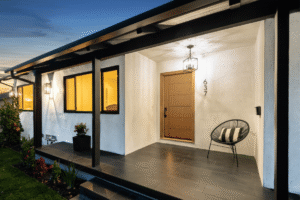
Fiberglass exterior doors hold up for decades when they are installed and maintained correctly. When one fails early, the cause is usually the opening, the drainage, an unsealed edge, or heat on a dark door, not the door itself. A yearly check of the finish, weatherstripping, and threshold prevents most of it.
Fiberglass exterior doors last a long time. That reputation is earned. A well-made fiberglass door handles Georgia heat, humidity, and hard use better than wood or steel in most situations.
But “lasts a long time” is not the same as “lasts forever no matter what.” A fiberglass door can fail early. It happens more than people expect, and almost always for reasons that were avoidable.
Here is what shortens a fiberglass door’s life and what you can do about it.
Poor Installation Is the First Problem
How a door gets installed matters as much as the door itself.
A door that is not plumb and level will bind, stress the frame, and fail to seal. Water finds gaps. Hardware wears unevenly.
A lot of what looks like a defective door traces back to the opening it was hung in. An out-of-plumb jamb is one of the most common sources of air and water leaks, and it is not something the door can compensate for. Before replacing a door, check that the rough opening is square. If the frame is out of level, fix that first. Skipping it creates problems that show up months or years later.
Standing Water and Poor Drainage
Fiberglass resists moisture well. That does not mean it is immune.
When water sits at the base of a door, it works on the sill, the threshold, and eventually the bottom rail. A flat or inward-pitched threshold holds water instead of shedding it. In Georgia during heavy rain, this adds up fast.
Threshold pitch is worth checking, but the real defense goes in before the door does. Manufacturers call for a sill pan set in sealant under the unit, with flashing tied into the wall, so any water that gets past the threshold is directed back out instead of into the subfloor. Some manufacturers will even extend their water infiltration coverage when a sill pan is used, which tells you how much weight they put on it.
If the door is already hung, you are working with what you have. Keep the threshold adjusted, keep the sweep in good shape, and fix any grading or gutter issue that lets water pool at the base. If water sits there after every rain, that is a drainage problem, not a door problem, and it will become a door problem eventually.
Sun Exposure Without Protection
Direct sun works on a fiberglass door two different ways, and they are worth separating.
The first is UV. It breaks down paint and stain over time. As the finish thins and fades, the surface underneath loses its protection from rain and humidity. This shows up first on south and west-facing entries.
The second is heat, and color drives it. A dark door in direct afternoon sun runs far hotter than a light one. That is the condition where surface cracking and, occasionally, warping show up. If your entry faces west and gets full afternoon sun, color is a durability decision and not only a style decision.
Keeping the finish current handles most of it. Rather than working off a fixed schedule, look at the door once a year and recoat when the finish starts to look thin, dull, or faded. Manufacturers generally frame it that way too: reapply before the existing topcoat fails, not after.
An overhang or covered entry is the best protection available, because it addresses UV and heat at the same time. Homes in Dunwoody and Sandy Springs with south or west-facing entries and no porch cover see the most benefit. A storm door also blocks sun and rain, but it comes with conditions worth understanding first. More on that below.
Skipping the Finish on Edges and Tops
The face of the door gets painted. The top and bottom edges often do not.
This is a common shortcut with real consequences. Unfinished edges let moisture into the door core. Over time, that can affect insulation and cause the layers to separate.
Any cut edge, including the top, bottom, and field cuts, needs to be sealed and painted before the door is hung. It takes a few minutes. It makes a big difference over the life of the door.
Hardware That Does Not Fit the Door
The door and its hardware work as a system.
Hinges not rated for the door’s weight cause sag. A sagging door stresses the frame, wears weatherstripping unevenly, and creates gaps. Locksets installed outside the correct prep zone can crack the surface or weaken the lock block.
Use hardware rated for the door. Follow the maker’s prep specs. If you are not sure whether hardware fits a specific door, ask before you drill.
Deferred Maintenance
A fiberglass door does not need much. But it needs some.
Weatherstripping wears down over time. When it stops sealing, drafts and moisture get in. Replacing it is cheap and fast.
The finish needs a look now and then. A small chip is an easy touch-up. Left alone, it becomes a bigger repair.
The threshold and door sweep take daily wear. When they fail, water gets under the door. Replacing them early costs less than fixing what comes next.
A quick check once a year prevents most of the problems homeowners call about.
Using the Wrong Cleaning Products
Harsh cleaners and rough compounds damage fiberglass finishes. Avoid solvents, bleach-based cleaners, and anything rough or gritty. Mild soap and water handles most cleaning without any risk.
If stubborn buildup does not come off with soap and water, check the maker’s care guide for that door before trying anything stronger.
What Makes Fiberglass Worth Protecting
A quality fiberglass door can perform well for decades with correct installation and basic upkeep. It resists dents, will not rot, and handles Georgia humidity without the swelling and shrinking that wood goes through.
One thing to know: the slab is fiberglass, but the jamb and brickmould around it are often wood. Those parts can rot, and most manufacturer warranties exclude them. When people say a fiberglass door failed, the frame is frequently what actually gave out. That is another reason drainage and finished edges matter.
That durability is why contractors and homeowners choose fiberglass exterior doors in the first place. But it needs a small amount of attention over time to deliver on that promise.
Correct installation. Good drainage. Finished edges. Matched hardware. Annual inspection. That is most of the work. The door handles the rest.
Frequently Asked Questions
How often should I repaint or restain a fiberglass exterior door?
There is no fixed interval, and manufacturers generally do not publish one. The guidance is condition-based: reapply the topcoat before the existing one fails. Exposure sets the pace. A west-facing door with no overhang will need attention well before a covered or north-facing entry. Check the finish once a year and recoat when it looks thin, dull, faded, or cracked. Waiting until it is peeling turns a maintenance coat into a strip-and-refinish job.
Can a fiberglass door warp?
True warping is not common, but it can happen. It is usually caused by heat buildup on a dark door without enough shade. Keeping the finish in good shape and adding an overhang for south or west-facing doors lowers the risk.
What should I do if the bottom of my fiberglass door is showing damage?
Damage at the bottom usually points to moisture. Check the threshold pitch, the door sweep, and whether water pools at the base after rain. Fix the drainage issue first, then look at whether the sweep and threshold need to be replaced.
Does a storm door help protect a fiberglass entry door?
Sometimes, and it depends on the door. A storm door does block sun and rain. But it also traps heat in the space between the two doors, and that space can get far hotter than the outside air on a sunny afternoon. That heat is what causes bubbling, skin cracking, and warping.
Two things decide whether it is a good idea. The storm door has to be vented, not sealed glass. And the entry door has to be one the manufacturer approves for it. Doors with decorative glass inserts are frequently excluded, because the PVC frames around the glass are not built for those temperatures. Dark-painted doors are the highest risk of all.
Check the warranty on your specific door before adding one. This is one of the few upgrades that can void coverage on the thing it is meant to protect. If you only want sun and rain protection, an overhang does the same job with none of the risk.
Is cleaning a fiberglass door different from cleaning wood or steel?
The basics are the same. Mild soap and water handles most cleaning. The key is knowing what to avoid. Solvents, bleach, and rough scrubbers can damage the surface or strip the finish. Start gentle, and check the maker’s care guide when in doubt.